

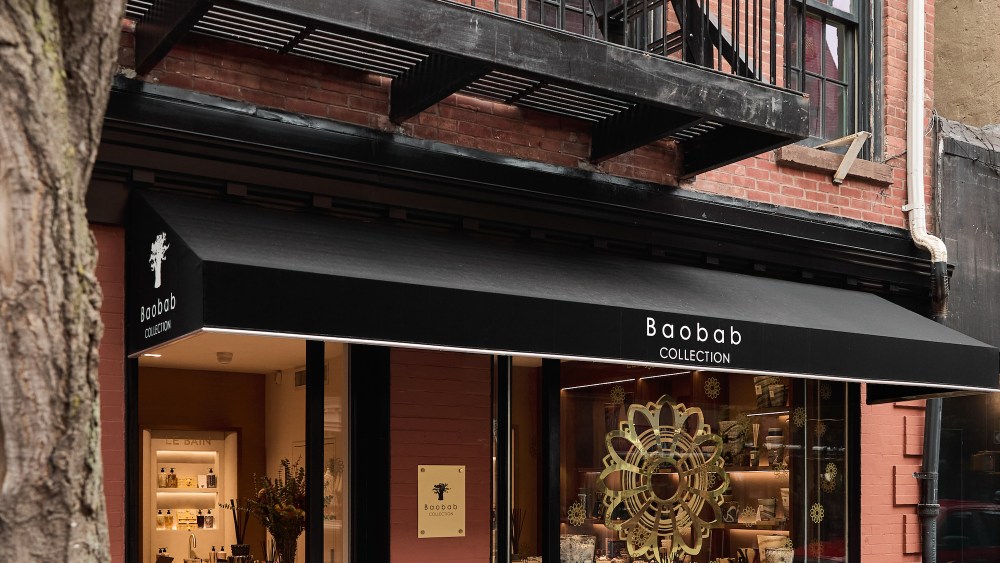
Baobab Collection, the esteemed Belgian home fragrance brand, is poised for significant expansion as it sets its sights on the U.S. market. With a compelling rebranding effort planned for the beginning of 2026, the company will coincide this with the opening of a new boutique on Bleecker Street in New York’s vibrant West Village. Julien Gommichon, the brand’s CEO, sees this move as part of a larger global initiative to elevate interest and appreciation for fine fragrances in homes, distinctly different from typical perfume offerings. “This is just the beginning,” he remarked, emphasizing their commitment to fostering a deeper connection with customers through innovative scent experiences.
One of the unique aspects of Baobab Collection’s approach is its holistic view on fragrance. Gommichon explains that their offerings don’t just engage the sense of smell; they encompass an entire sensory experience—from the aesthetic appeal of the beautifully crafted glass vessels to the emotional reactions they invoke. He draws a parallel with the way individuals perfume themselves, suggesting that the ambiance of home should be treated with equal care. This comprehensive approach is set to resonate with consumers seeking to curate specific atmospheres in their living spaces.
Charlotte Croonenberghs, president of Baobab Collection North America, acknowledges that U.S. consumers often prioritize scent over design, viewing their homes as canvases for multi-sensory experiences. “People want to create layered ambiences,” she explains, noting that preferences shift depending on various factors, including the seasons. This nuanced understanding of American consumer behavior will guide Baobab Collection’s marketing strategies as they work to establish their presence in a competitive market.
Although the brand has enjoyed a degree of recognition in its home markets in Europe, Gommichon points out that the potential for growth in the United States is substantial. Notably, they have kept marketing efforts relatively modest, allowing the charm of their products to speak for themselves. “We’re not looking to flood the market with aggressive promotions but want to amplify the organic interest that exists,” he states, confident in the appeal and storytelling aspects of the brand.
The name “Baobab” itself holds significance, representing longevity, community, and timelessness, virtues that resonate well with consumers. Gommichon is keen to enhance the brand’s accessibility in Europe while expanding their distribution and establishing direct retail locations in the U.S. Croonenberghs emphasizes the need for a careful selection process in choosing retail partners, ensuring that the brand aligns with genuine experiences that reflect its values. Such diligence is not only aimed at brand integrity but also at enhancing the customer journey.
Looking ahead, Baobab Collection aspires to double its business by 2028, relying on consistent double-digit growth supported by a robust portfolio of seasonal scents and newly developed fragrance families. Gommichon notes that understanding the diverse tastes across different markets—whether in New York, Miami, or abroad in Europe and Asia—is central to their strategy. He hints at a rebranding approach, focusing on clearly communicating the brand’s core values and culture. “We have a lot to say,” he concludes, underscoring Baobab’s commitment to not just selling fragrances, but delivering meaningful, evocative experiences for their customers.