







Arab-inspired fragrance brands are experiencing a significant surge, marking a transformative moment in the fragrance industry. Since 2021, the fragrance market has seen robust growth, with a 6% increase in the prestige sector and a remarkable 17% in mass markets during the first half of 2025, according to Circana. Notably, the interest in Arab-inspired fragrances is outpacing general trends, driven by cultural appreciation and social media influence. Analytics from Spate reveals that searches for “oud perfume” have increased by 20.5% year-over-year, while “Arabian perfume” has risen by an impressive 63%. This trend is indicative of a broader cultural shift toward embracing diverse scent profiles that celebrate Middle Eastern traditions.
At the forefront of this trend is Kayali, a fragrance brand founded in 2018 by influencer Mona Kattan. Kayali has quickly ascended to become the premier fragrance brand at Sephora, outperforming global favorites like Sol de Janeiro in the first half of 2025, according to YipitData. Renowned for its indulgent gourmand fragrances, Kayali’s offerings, including its popular Oudgasm collection, continue to expand. With new scents like Chocolate Oud and Milky Musk Oud making their debut, the brand engages consumers with rich, complex scent profiles that harmonize sweet notes with traditional oud and resin, appealing to the growing appetite for luxurious fragrances.
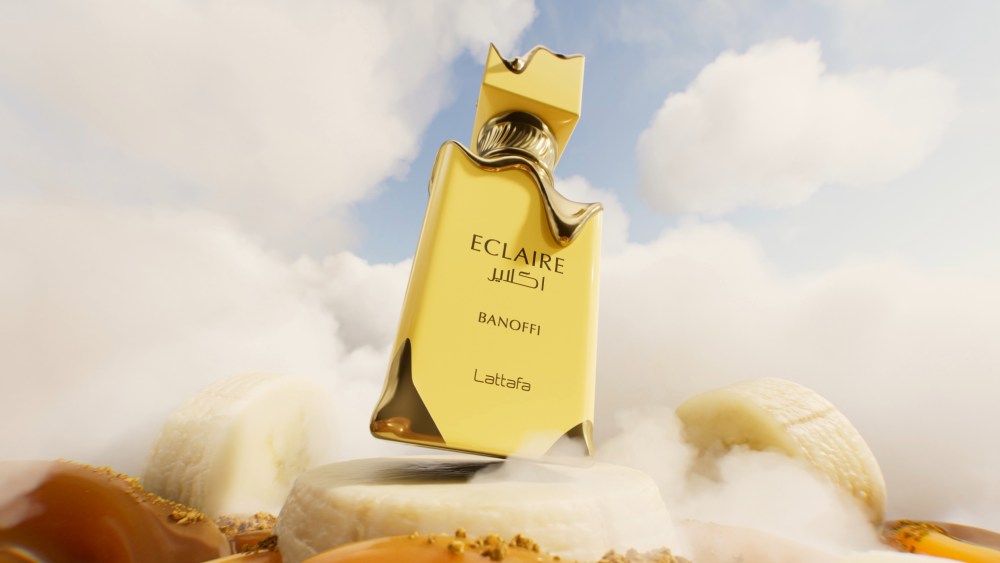
Many of these Arab-inspired brands have been reinvigorated by social media, particularly TikTok, which has transformed how consumers discover and engage with fragrances. Brands like Lattafa and Alrehab, established decades ago and based in the UAE and Saudi Arabia, are now gaining international recognition. Lattafa, known for budget-friendly perfumes, recorded a dramatic boost in its sales volume, especially through TikTok Shop, where it exceeded $63 million in sales within a year—an extraordinary 174% increase. The modern fragrance landscape has changed dramatically since the pandemic, and the phenomenon of “blind-buying,” where customers purchase perfumes online without prior testing, has surged, especially among the younger generations.
The head of research and development at Lattafa, Abdul Rahim Shaikh, noted that this renaissance is particularly evident among Gen Z and Millennial consumers, who are drawn to the fragrances’ accessibility and unique scent profiles. The brand is not just focused on online engagement; it seeks to connect with customers through experiential retail by hosting pop-up events. This week, Lattafa plans to unveil its new fragrance collection at a pop-up location in New York City, aiming to immerse consumers in its olfactory world by allowing them to experience the scents firsthand.
Additionally, Amouage, a high-end perfumery from Oman, is also witnessing significant growth. Established in 1983 and celebrating its craftsmanship through the use of luxurious ingredients like frankincense, Amouage has reported annual sales exceeding $260 million in 2024, reflecting a 30% increase. This upscale brand typically markets its eau de parfums around $395, with even more concentrated fragrances priced at approximately $550. Amouage’s strategy extends beyond Middle Eastern consumers, cultivating a global clientele and expanding its boutique presence, especially in markets like the U.S. The company has identified a growing base of repeat customers, which indicates strong brand loyalty and appeals to the sophisticated fragrance enthusiasts.
As the fragrance industry evolves, companies like Amouage are not solely positioning themselves as regional brands but rather as global players in the luxury fragrance market. With plans to increase their boutique presence and continued emphasis on unique, quality compositions, the brand is poised to double its revenue by the end of 2025. The collective phenomenon surrounding Arab-inspired fragrances reflects not only a growing appreciation for diverse scents but also an evolving narrative that celebrates rich cultural heritages. This aligns perfectly with the current trend towards individuality and personal expression in the beauty space, making Arab-inspired scents a key player in the future of fragrance.


