

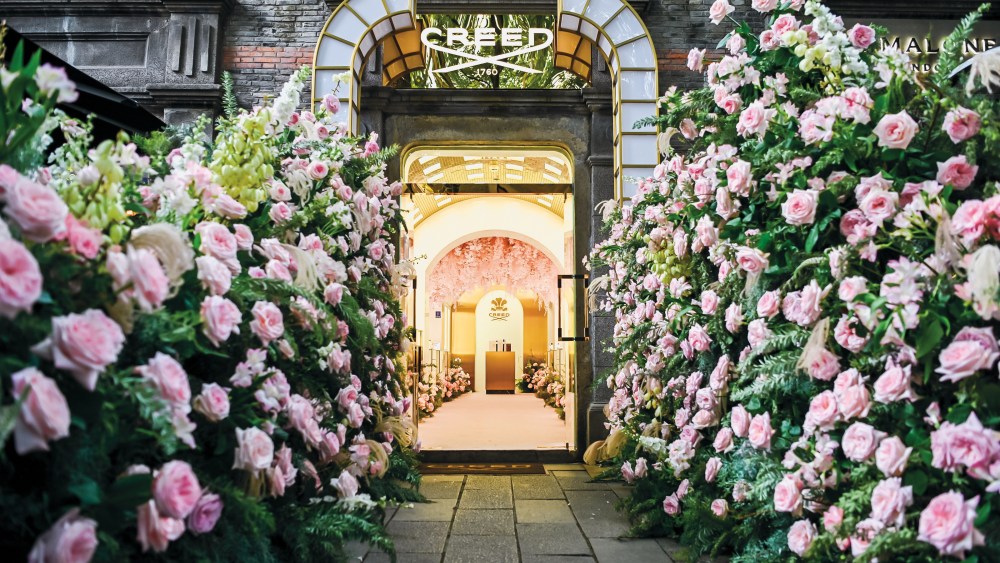
In a significant shift within the beauty industry, L’Oréal announced its acquisition of Kering Beauty for €4 billion, sparking excitement among analysts and investors alike. This landmark deal will not only allow L’Oréal to strengthen its foothold in the luxury beauty market but also marks a strategic partnership between the two companies, focusing on long-term growth in beauty and wellness sectors. Included in the agreement is the purchase of the House of Creed and a 50-year exclusive licensing arrangement for the development and distribution of fragrances and beauty products associated with Gucci, expected to commence after Kering’s existing contract with Coty Inc. expires in 2028.
Analyst reactions have varied, with many regarding this move as pivotal for L’Oréal, labeling it their largest acquisition to date. Céline Pannuti from J.P. Morgan remarked that it significantly enhances L’Oréal’s leadership in global fragrances, extending beyond its current interests into niche segments. By 12:30 p.m. CET, stock valuations reflected the optimism, with L’Oréal shares rising 0.6% and Kering’s climbing 3.6%. However, some analysts expressed surprise at Kering’s sudden pivot from its earlier in-house beauty strategy, designed to emulate the success of its eyewear division, underscoring a possible shift in strategic focus within the company.
Financial forecasts surrounding the deal reveal that Kering may see a modest decline in its earnings per share and EBIT in the upcoming years, although there are positive indicators as well. Analysts noted that this divestment might help reduce Kering’s financial leverage, which has been a concern due to its current net debt of €9.5 billion. The financial adjustments suggest a prudent move for Kering, especially as it appears to be reevaluating its stance on other business segments, including eyewear.
From a strategic lens, this acquisition is seen as advantageous for L’Oréal, strengthening its presence in the high-end beauty segment. Carole Madjo of Barclays highlighted that Creed is a significant portion of Kering Beauty’s sales, comprising about 93%. She anticipates that this acquisition will facilitate better cross-brand synergies between luxury fashion and beauty, driving further innovation and growth opportunities for L’Oréal. The luxury division already contributes substantially to L’Oréal’s overall revenue; thus, integrating Kering’s high-margin business fits well with L’Oréal’s long-term goals.
Moreover, the prospects of the partnership suggest strong potential for brand development. Analysts project significant growth for Creed and Gucci, with forecasts suggesting they could evolve into billion-dollar brands in the coming years. Pannuti emphasized the successful growth trajectory of YSL Beauty since its acquisition from Kering, illustrating L’Oréal’s capability to scale luxury brands effectively. While the fragrance market’s current phase of stabilization poses some uncertainty, the introduction of new brands could provide the necessary momentum for L’Oréal’s fragrance portfolio.
In summary, this acquisition not only reshapes L’Oréal’s market position but also propels the beauty landscape into a new era of strategic partnerships and brand expansions. The collaborative future of L’Oréal and Kering Beauty promises exciting developments in luxury beauty, potentially redefining consumer experiences and expectations in this sector. As both companies embark on this new journey, the market watches closely, intrigued by the implications this will have on the future of beauty branding and the overall dynamics of the luxury market.