








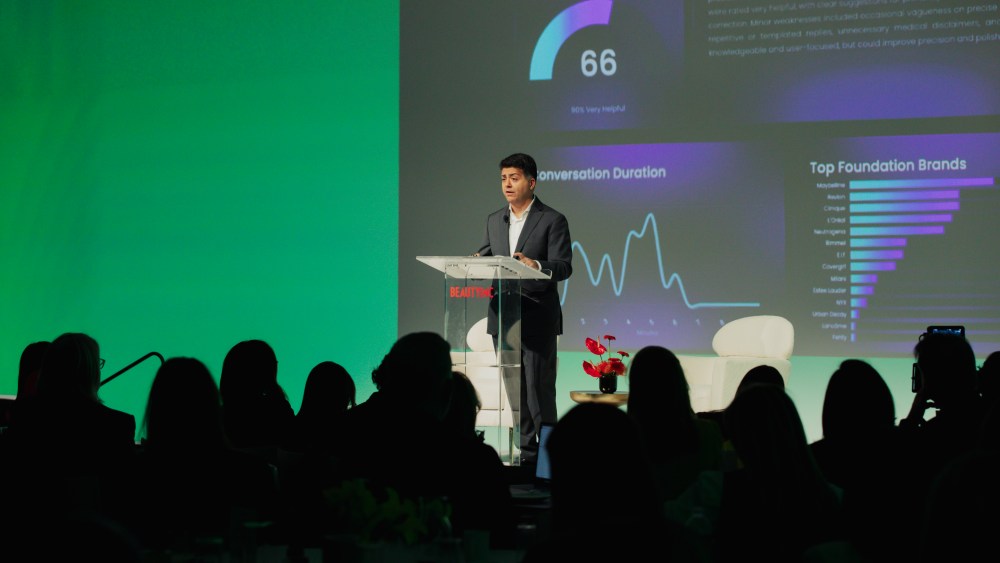
At the 2025 WWD Beauty Inc Catalyst event, Parham Aarabi, the founder and CEO of Pre, explored the transformative influence of AI on beauty product discovery. With the rise of platforms like ChatGPT, Google Gemini, and Amazon’s Rufus, beauty brands are now faced with the pressing need to enhance their visibility in this AI-controlled landscape. Aarabi emphasized the importance of understanding how often brands are recommended across these AI platforms. However, a significant hurdle remains: it can take brands three to six months to update their online content and an additional three to six months to observe real effects from AI training. This lag poses a substantial challenge for brands looking to engage rapidly with consumers.
To tackle these challenges, Pre employs a sophisticated simulation that runs thousands of hypothetical shopper conversations across popular platforms. This innovative approach allows brands to gauge how their products are being recommended in real-time. Aarabi likened this tool to having a “crystal ball,” enabling brands to test ad campaigns or product information swiftly and efficiently. Instead of waiting for months to see results from changes, brands can receive a readout of potential effectiveness in mere minutes, streamlining their decision-making processes.
During a recent simulation covering a week in November, Pre analyzed the top skincare brands recommended by ChatGPT in the U.S., revealing that names like The Ordinary and La Roche-Posay topped the list. Meanwhile, fragrance recommendations featured brands such as Jo Malone and Diptyque, while the hair care and makeup sectors saw popular brands like Olaplex and Fenty Beauty emerge as leaders. These real-time insights help brands identify where they stand competitively and understand consumer preferences better.
In addition to monitoring brand visibility, Pre’s approach involves testing different strategies within the AI frameworks, such as altering product descriptions or crafting user-centric Q&As. Unlike traditional marketing strategies that can take considerable time to refine, the simulation can predict the success of a new approach in about 30 minutes. This swift turnaround allows brands to test various tactics before major launches, ensuring that they can pivot quickly based on immediate feedback.
Aarabi shared a compelling case study involving a skincare brand competing with industry giants like Olay and CeraVe. This brand initially had an 8% lower recommendation rate, but by leveraging multiple strategies in their AI testing—focusing on positive reviews, SEO modifications, and user-centric content—they ultimately increased their visibility. The combination of enhanced Q&A formats and competitive analysis resulted in a notable 10% uptick in recommendations, demonstrating the power of agile experimentation in the AI-driven marketplace.
Overall, Aarabi’s insights paint a vivid picture of a rapidly evolving beauty industry where AI plays a crucial role in shaping consumer engagement. As brands continue to grapple with the challenges of AI visibility, the capacity for real-time testing and iteration presents a promising avenue for growth. Imagine the potential if brands could sustain such optimization efforts continuously—Aarabi suggests the impact could be monumental, fundamentally changing how beauty products engage with consumers across digital platforms.


