







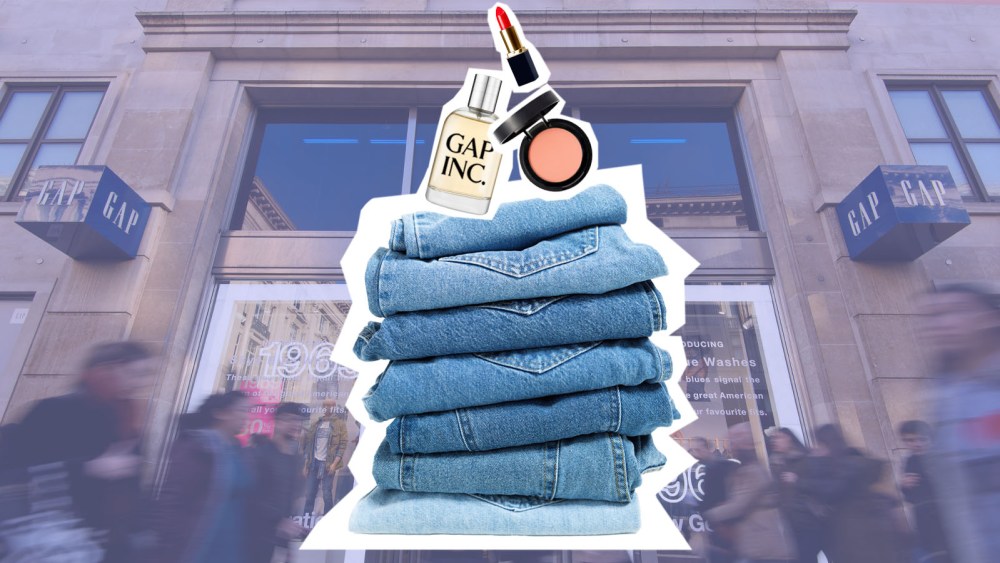
Gap Inc. is gearing up to make a splash in the beauty industry with a launch across its Old Navy brand, a move that comes amidst a crowded market. This fall, 150 Old Navy stores will unveil a curated selection of beauty and personal care products, featuring both exclusive items and well-known brands. Notably, about 45 of these locations will introduce dedicated “shop-in-shop” spaces along with beauty associates to enhance customer experience. By 2026, Gap plans to expand this initiative, incorporating beauty offerings into its Gap stores, notably starting with fragrances, which have seen a resurgence in popularity.
To spearhead this ambitious beauty expansion, Gap has enlisted seasoned industry veterans, including John Demsey, formerly of Estée Lauder, and Deb Redmond from Nordstrom. Gap Inc. CEO Richard L. Dickson recently highlighted the beauty sector’s potential for growth, indicating its predicted value of over $100 billion by 2025. He emphasized that mass beauty products could constitute a significant share of this market, making it a strategic fit for Gap’s overall brand strategy. By tapping into the booming beauty sector, Gap not only seeks to enhance its profit margins but also aims to attract younger, trend-conscious consumers.
However, the beauty landscape is saturated with retail competitors like H&M, Zara, and Anthropologie, all of whom have introduced their own beauty products. Industry experts suggest there’s still room for Gap in this space, provided the brand aligns its beauty offerings with its fashion heritage. Wendy Liebmann, CEO of WSL Strategic Retail, points out that successful beauty ventures require authenticity and innovation—elements that need to be woven into Gap’s expansion strategy. The integration of beauty products should not merely be an afterthought but rather a cohesive offering that complements the shopping experience.
Nostalgia appears to be a significant asset for Gap as it reintroduces classic beauty fragrances that evoke memories from the ’90s and early 2000s. This strategy might resonate with consumers who have fond recollections of past experiences, such as iconic scents that marked their youth. Beauty consultant Lindsay Ullman notes that tapping into this longing for the past can be a powerful marketing tool, and social media influencers like Emma Vernon share personal stories that amplify this nostalgic connection. By reigniting interest in familiar scents, Gap could potentially cultivate a loyal customer base eager for a walk down memory lane.
Yet, while nostalgia could serve as an inviting entry point, industry analysts assert that Gap must extend beyond mere replication of past hits to adequately compete. There’s a demand for innovation that pushes beauty offerings to stand out. The brand’s strategy should also consider impulse buying; for example, featuring beauty items near checkout counters can encourage spontaneous purchases. Retail expert Liebmann emphasizes that the aim during Initial rollout is not to draw in beauty-specific customers, but rather to boost overall basket sizes among existing shoppers.
Lastly, effectively targeting younger consumers requires a fresh approach to marketing. Gap must leverage its legacy of iconic advertising while embracing the rapid pace of the beauty industry, which thrives on timely, voluminous content. Ziad Ahmed from United Talent Agency underscores the need for frequent engagement with the brand’s target demographic to maintain relevance. Embracing a fast-paced marketing strategy, in line with the beauty sector’s unique demands, could effectively position Gap Inc. as a formidable player in this vibrant landscape. By melding nostalgia, innovation, and forward-thinking marketing, Gap has the potential to carve a unique niche in the competitive beauty market.


