







The recent 4-billion-euro partnership between L’Oréal and Kering has drastically altered the landscape of the beauty industry, particularly impacting companies heavily dependent on fragrance sales. This strategic alliance signals an intense power shift, as L’Oréal positions itself as the largest fragrance manufacturer globally once again. The implications for other businesses in this sector are profound, with industry experts noting that retailers, investors, and brand founders alike will feel the ripple effects. The ramifications of this deal extend far beyond fragrance, suggesting a new era of competition that demands agility and responsiveness from all participants in the beauty market.
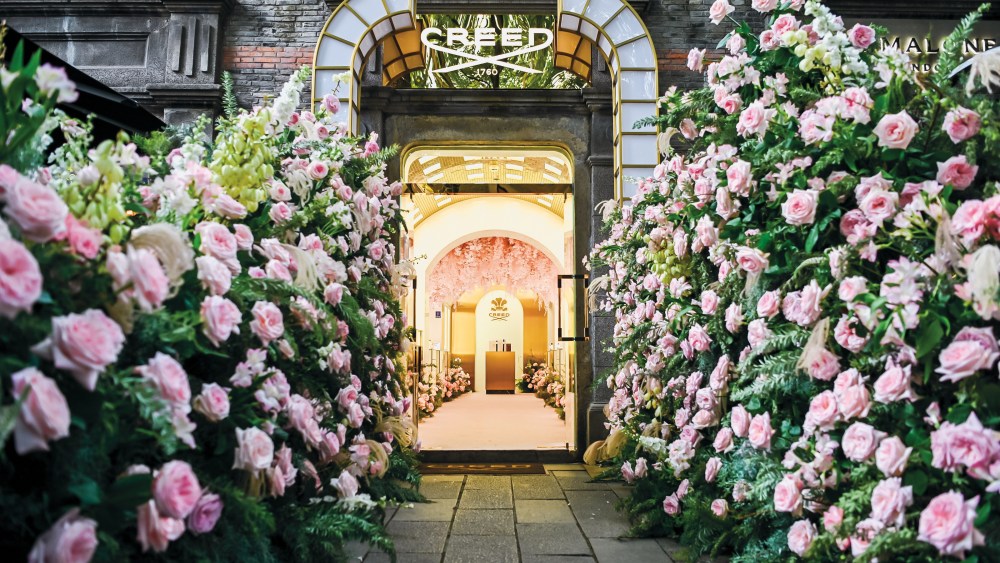
At the core of this deal is L’Oréal’s acquisition of The House of Creed and a 50-year licensing agreement for Kering brands like Bottega Veneta and Balenciaga, with Gucci following suit in 2028. This move not only enhances L’Oréal’s luxury offerings but also destabilizes its rivals, putting significant downward pressure on businesses that traditionally rely on licensing their fragrance operations. The partnership’s potential to streamline production and distribution under a single banner makes it daunting for competitors who may struggle to maintain their market share in this newly consolidated landscape.
As L’Oréal expands its industry footprint, its recent investments also illuminate a strategic pivot towards niche fragrance brands. The company’s minority stake in Omani brand Amouage underscores a focused effort to capitalize on premium offerings, which are increasingly in demand. Industry figures like Joël Palix point out that with names like Yves Saint Laurent and Armani under its umbrella, L’Oréal has the leverage needed to optimize its full supply chain. Brands that solely depend on licensing models, conversely, could find themselves squeezed as L’Oréal’s dominance grows, necessitating a swift adaptation to survive.
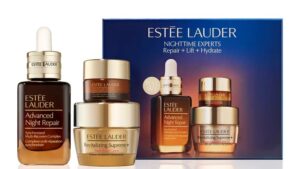
In light of this evolving marketplace, companies like Coty and Estée Lauder must be vigilant. Recent moves by Estée Lauder’s CEO show a clear commitment to strengthening their perfumery branches, while Coty is attempting to streamline its operations by consolidating focus on luxury fragrances. Yet with the impending loss of Gucci, which significantly contributed to Coty’s revenues, the urgency for innovation and unique offerings has never been more pronounced. Analysts advise that developing proprietary capabilities will be essential in distinguishing themselves from a steadfast L’Oréal.
Moreover, this shakeup offers a lesson in acquisition strategies: the traditional models need re-evaluation. Industry veterans note that many consumer product goods (CPG) companies have struggled to integrate new brands effectively. A shift towards an operating partner model could foster better integration and resource allocation, ultimately preserving value. By rethinking their approach to mergers and acquisitions, brands can better position themselves against the formidable dual force of L’Oréal and Kering.
As the luxury beauty segment converges with wellness and biotech, players must innovate beyond conventional products. The future will likely encompass biohacking, personalized diagnostics, and an array of services, nudging brands towards a cultural shift. The importance of understanding and adapting to consumer trends, particularly those of younger generations, remains vital. Although many smaller brands face scalability challenges, the niche market has room for agile players. Nevertheless, lessons from previous rapid growth spurts reveal that critical examination of past mistakes will be essential as the beauty industry navigates this transformative era.


