






The “Straight Natural” hair movement has emerged as a transformative force in the beauty and fashion industries, advocating for the acceptance of natural hair textures in a culturally rich and diverse context. This movement recognizes the often-unspoken pressures faced by individuals, particularly people of color, to conform to Eurocentric beauty standards that prioritize straight, smooth hair as the ideal. While celebrating cultural identity, the movement also aims to dismantle the deep-rooted stigmas surrounding natural textures—textures that are often seen as less professional or desirable in various professional and social settings.
Fundamentally, the “Straight Natural” movement serves as a powerful counter-narrative to prevailing beauty ideals. It creates a space for individuals to reclaim their natural hair, emphasizing that beauty can take many forms, and each is valid and beautiful in its own right. The movement not only promotes the beauty of natural hair but also encourages self-love and acceptance. By showcasing various styles—from curls to waves to kinks—participants express their unique identities and challenge the restrictive standards that have governed beauty norms for far too long.
Central to the movement is the idea of authenticity. Many participants share their personal journeys with their hair, often detailing struggles with self-image and societal pressures. These stories reveal the profound psychological impact that conformity can have, leading to a collective sense of liberation when individuals embrace their natural locks. Social media platforms serve as robust outlets for this self-expression, allowing individuals to share before-and-after experiences, tutorials, and stories that resonate with others navigating similar challenges. This community aspect fosters solidarity and encouragement, inspiring more people to embrace their natural selves.
Moreover, the movement has sparked a broader conversation about the intersection of hair, identity, and culture. It highlights how hair is not merely a physical trait but a significant expression of cultural pride and heritage. For many, hair is tied to familial and communal traditions, and its representation in public spheres has become increasingly important. This conversation extends into corporate and educational environments, where policies often reflect outdated biases against specific hair textures. Advocacy for inclusivity in workplaces and schools has become a crucial part of the movement’s agenda, challenging discriminatory practices and pushing for a more equitable acceptance of diverse hair textures.
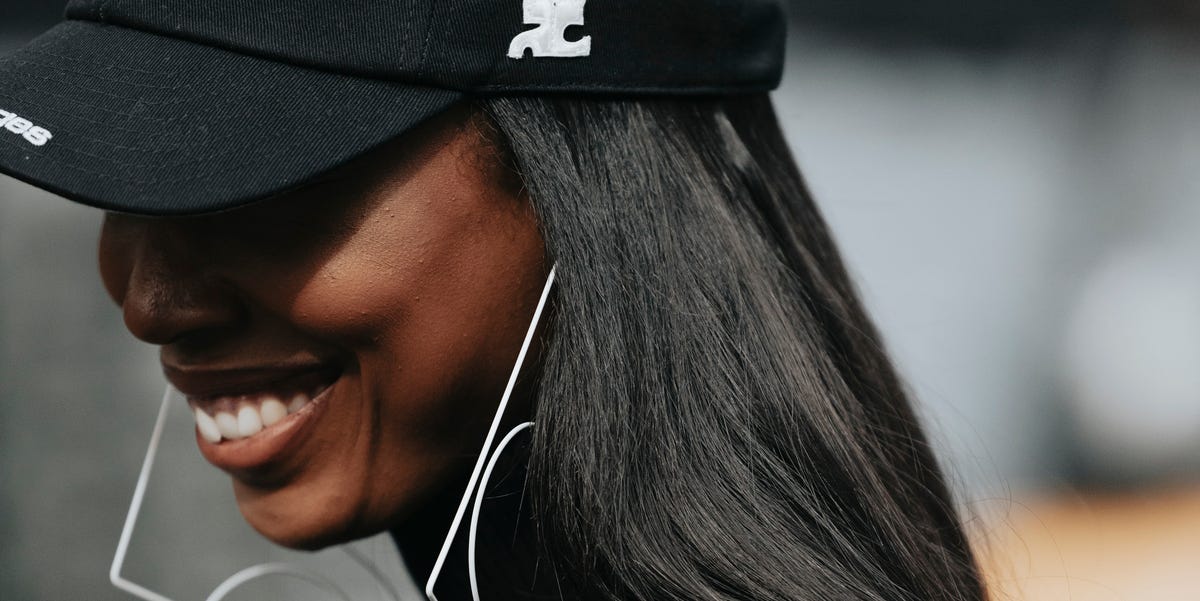
The fashion industry has also taken note of the “Straight Natural” movement, gradually incorporating more diverse representations of beauty in campaigns and runways. Brands are now highlighting models with natural hair in their marketing efforts, reflecting shifting consumer demands for authenticity and representation. This change encourages a more inclusive narrative that values individuality over conformity, signaling a potential shift in industry standards. As consumers increasingly seek brands that align with their values, the movement continues to influence how beauty is defined and appreciated.
In summary, the “Straight Natural” hair movement is much more than a trend; it’s a powerful cultural shift towards embracing and celebrating natural hair textures. By advocating for inclusivity, authenticity, and cultural pride, the movement not only reshapes societal beauty standards but also fosters a supportive community that empowers individuals to express their true selves. As it continues to grow, the movement holds the promise of further transforming perceptions of beauty in a diverse and interconnected world.


