

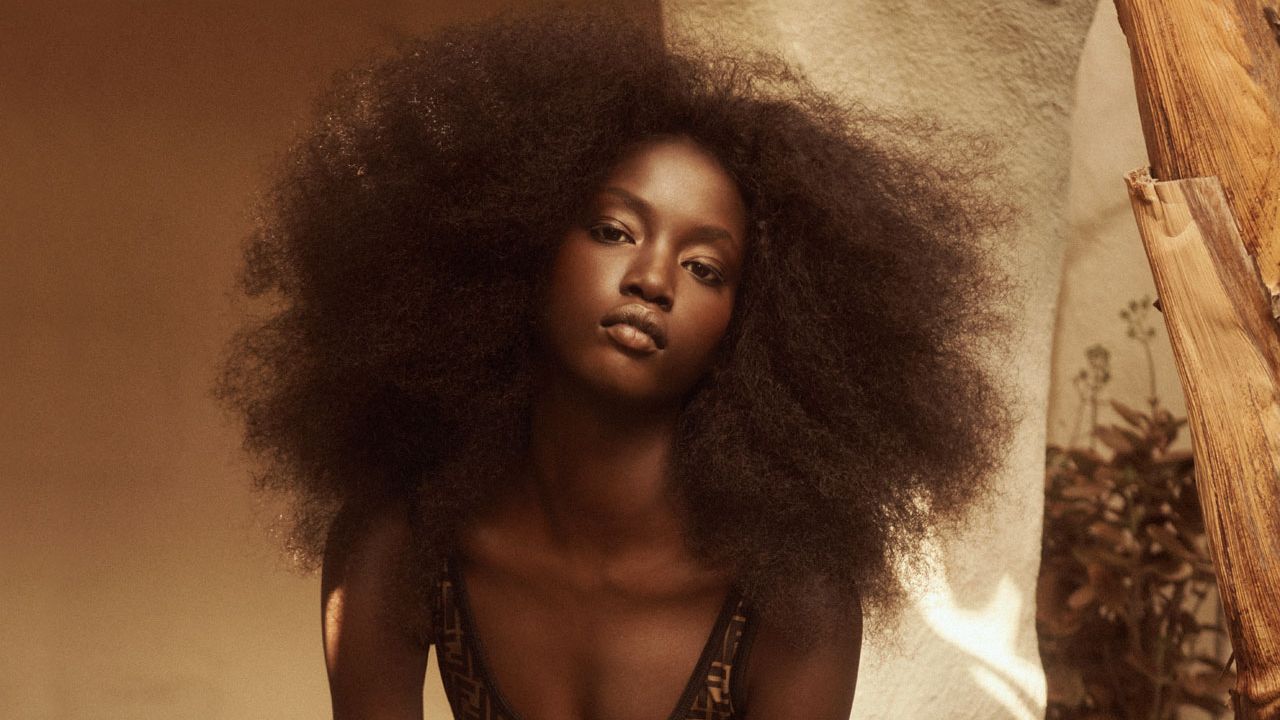
Hair breakage can be both frustrating and distressing. It’s not just about aesthetics; the sight of split ends or the feel of dry, brittle strands can lead to real emotional stress. People often think that hair breakage is limited to those with elaborate styling routines, but in reality, it can impact anyone, regardless of how they treat their hair. Understanding the intricacies of hair breakage can help in developing an effective hair care regimen that promotes healthier locks. Experts suggest that rather than merely treating breakage, it’s far more effective to focus on prevention through slight adjustments in our hair care practices.
So, what exactly is hair breakage? According to Dr. Marisa Garshick, a dermatologist at Mdcs Dermatology, hair breakage involves the hair shaft breaking due to weaknesses in the strands. This contrasts with hair loss, where the entire hair sheds from the root. When your hair shaft becomes fragile, it can snap at various lengths, resulting in a variety of issues—from split ends to uneven strands. Dr. Brittany Oliver from the University of Missouri-Kansas City highlights that structural abnormalities in the hair can lead to this fragility, leading to its tendency to split and break.
Recognizing the signs of hair breakage is essential. Some common indicators include split ends, an abundance of flyaways, puffiness, uneven lengths, and dullness. When hair ceases to grow at a certain length or feels excessively dry, it’s time to take action. Acknowledging these symptoms can lead to more informed decisions about hair care, allowing individuals to address the damage before it escalates.
There are numerous factors contributing to hair breakage. One of the main culprits includes chemical treatments, such as perms and hair color, which can damage the protein bonds within hair strands. Dr. Garshick notes that these repeated chemical stressors can weaken the shaft, making it vulnerable to breakage. The structural integrity of hair is compromised during processes like relaxing, which chemically reconfigures the bonds that maintain the hair’s natural shape. This alteration does not just affect appearance but also raises the risk for damage over time.
Heat styling is another significant contributor. Regular use of hairdryers, curling irons, and flat irons can lead to what Dr. Oliver refers to as “bubble hairs,” which are strands weakened by thermal damage. These strands develop air bubbles that render them more susceptible to breaking. Furthermore, environmental factors such as hard water and extreme weather conditions—whether it’s too much sunlight or chilly winds—can rob hair of moisture, compounding the issue.
Lastly, daily habits also play a role in hair health. Mechanical stress from aggressive brushing or rubbing hair with a towel can create friction, leading to breakage. Likewise, tight hairstyles like buns and braids can exert undue tension on the hair shaft. By adopting gentler hairstyling techniques and incorporating appropriate hair care products, individuals can significantly reduce the risk of breakage and promote overall hair health.
In summary, hair breakage is a complex issue with various contributing factors, but understanding these can empower you to take control of your hair care routine. Focusing on prevention, making subtle changes, and opting for the right products can help keep your hair strong, smooth, and resilient against breakage.