




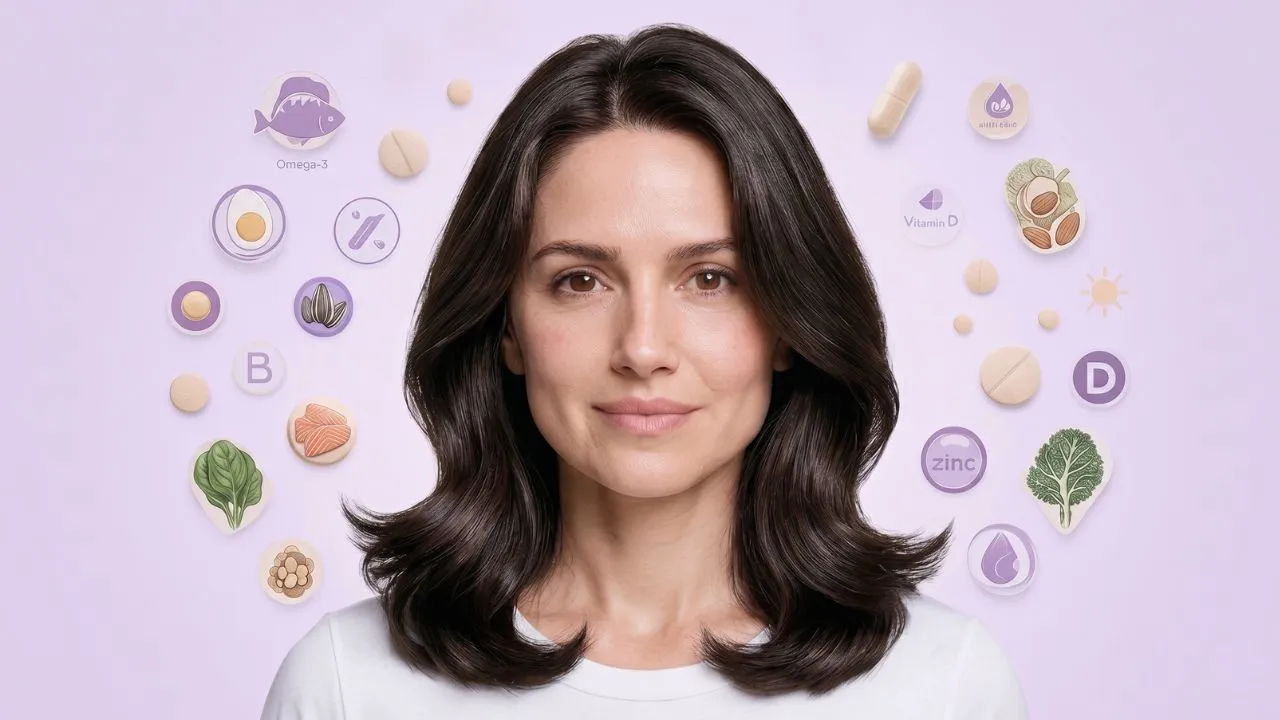
Understanding Vitamin Deficiencies and Hair Loss
Hair loss can be a distressing experience for many individuals, and while genetics often play a significant role, other factors like nutrition should not be overlooked. Among these, vitamin deficiencies are particularly noteworthy. Several key vitamins have been linked to hair health, and their absence can lead to various forms of hair loss. Understanding these connections can empower individuals to take proactive steps towards improving their hair health.
The Role of Vitamins in Hair Growth
Vitamins play crucial roles in various bodily functions, and certain ones are particularly vital for maintaining healthy hair. For instance, Vitamin A is essential for cell growth, including hair cells. It also helps produce sebum, the oily substance that moisturizes the scalp and keeps hair healthy. Similarly, B vitamins, especially Biotin, have gained attention for their role in hair strength and growth. Deficiencies in these vitamins can adversely affect hair follicles, leading to thinning and eventual loss.
Another essential vitamin is Vitamin C, known for its antioxidant properties. It helps protect hair follicles from damage caused by free radicals. It also aids in the absorption of iron, a mineral important for hair health. Additionally, Vitamin D is linked to hair growth, with studies suggesting that a deficiency can hinder the hair growth cycle.
The Impact of Deficiencies on Hair Health
When the body lacks these vital nutrients, it can disturb the intricate cycle of hair growth and shedding. Iron deficiency, for example, can lead to a condition called telogen effluvium, where hair prematurely enters the shedding phase. This can result in noticeable hair thinning. Similarly, a lack of Zinc can impair the functioning of hair follicles, leading to hair loss. These deficiencies can be particularly prevalent in individuals with poor dietary habits, restrictive diets, or certain medical conditions that affect nutrient absorption.
Nutritional Choices for Healthy Hair
To promote hair health, individuals should emphasize a balanced diet rich in these essential vitamins. Foods like spinach, sweet potatoes, nuts, and seeds are excellent sources of vitamin A, while whole grains, eggs, and meats provide ample B vitamins. Incorporating a variety of fruits and vegetables can help ensure adequate vitamin C intake, and fatty fish are rich in Vitamin D. Staying hydrated and moisturizing the scalp can further support hair health.
In some cases, individuals may consider supplements, particularly if dietary adjustments are insufficient. However, it’s crucial to consult a healthcare professional before starting any supplementation, as excessive intake of vitamins can also lead to negative health consequences.
Lifestyle Factors and Hair Loss
While diet plays a significant role, other lifestyle factors can contribute to hair loss as well. Stress, hormonal imbalances, and certain medical conditions can exacerbate the effects of vitamin deficiencies. Therefore, it’s essential to approach hair loss comprehensively. Managing stress through relaxation techniques, maintaining a balanced diet, regular exercise, and adequate sleep can all benefit not just hair health, but overall well-being.
Taking Action for Healthier Hair
In summary, understanding the link between vitamin deficiencies and hair loss can empower individuals to make informed choices for their health. By focusing on a nutrient-rich diet and addressing any lifestyle factors that may contribute to hair loss, one can create a foundation for healthier hair. Regular check-ups with healthcare providers can ensure that potential deficiencies are addressed early, allowing you to maintain a vibrant head of hair for years to come. Holistic approaches that include diet, lifestyle modification, and medical advice can significantly improve hair health, proving that good nutrition truly matters.
Beauty Tips
Here are three practical beauty tips related to vitamin deficiencies and hair loss:
-
Incorporate Biotin-Rich Foods: Include foods like eggs, nuts, and whole grains in your diet to boost biotin levels, which support healthy hair growth.
-
Supplement Wisely: Consider taking supplements for vitamins D and E, as deficiencies can contribute to hair thinning. Always consult with a healthcare provider before starting any supplements.
-
Stay Hydrated: Drink plenty of water to help maintain optimal nutrient absorption, as proper hydration promotes better scalp health and supports hair growth.
✨ Editor’s Picks (Must-Have Products)
Product 1
Check Price on Amazon
Product 2
Shop Now
Product 3
View Details


