




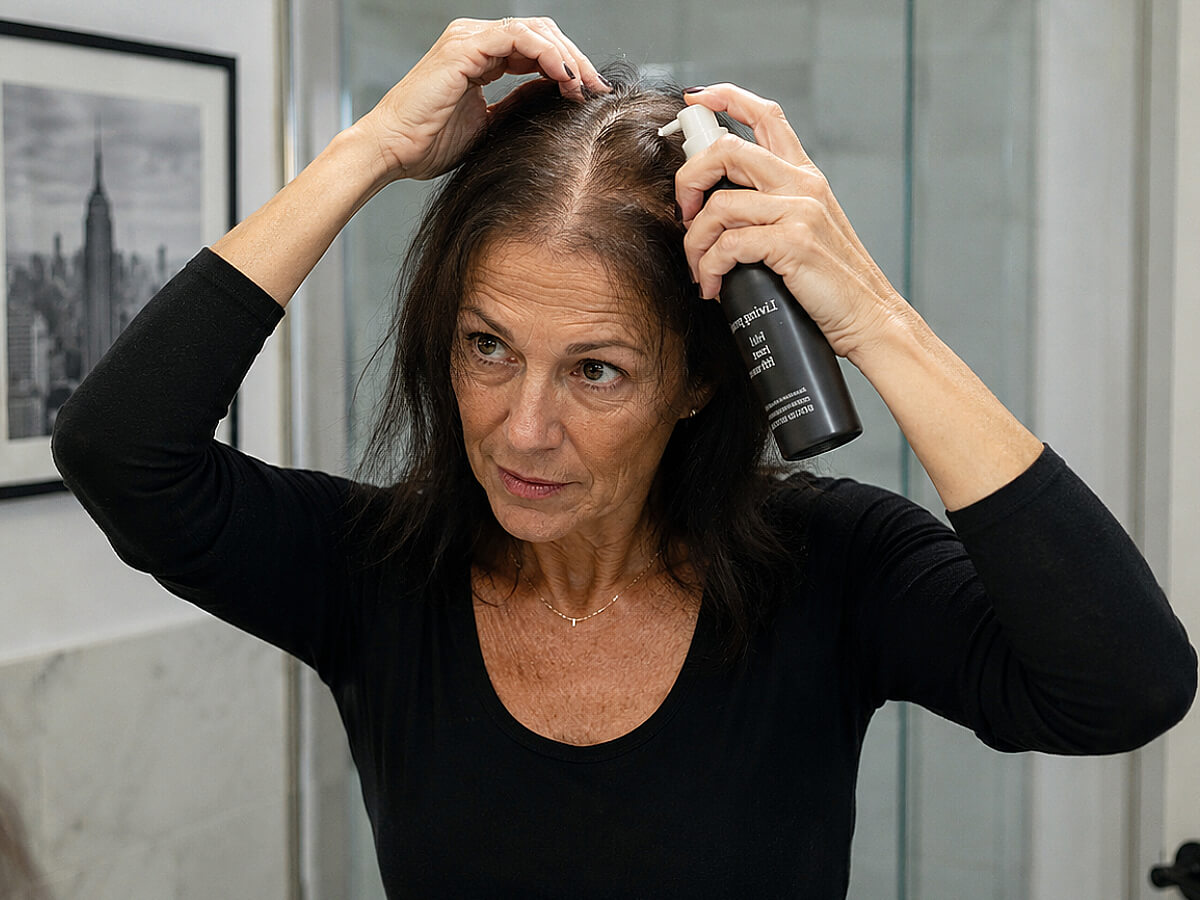
As we age, our hair undergoes significant changes, often becoming thinner and less voluminous. For many individuals over the age of 50, the volumizing products that once worked wonders start to lose their effectiveness. So, what exactly happens? Hormonal fluctuations, particularly the decrease in estrogen and progesterone levels, impact hair health and texture. These changes can lead to hair becoming finer and losing its natural bounce. Additionally, our scalp’s sebum production diminishes, affecting moisture and overall hair vitality.
The traditional volumizing products, such as mousses and sprays, often rely on ingredients that create a temporary illusion of thickness but can sometimes weigh hair down or lead to product buildup. For mature hair, these solutions can feel inadequate as they may not adequately support the unique needs of aging strands. Instead of providing true volume and lift, they can leave hair looking limp or dull. It becomes crucial to understand the difference between surface-level volume and genuine hair health, especially as we navigate our 50s and beyond.
To truly revitalize our hair, focusing on nourishing products that promote thickness and health is essential. Look for products that contain ingredients like biotin, keratin, and natural oils, which can help strengthen and hydrate the hair. A good conditioner is vital, too, as it can provide the moisture that aging hair often craves, preventing it from becoming brittle and lifeless. Additionally, consider swapping out heavy styling products for lighter formulations that don’t weigh hair down but still offer hold and shape.
Beyond products, techniques play a significant role in achieving more voluminous hair. For instance, changing your blow-drying technique or using specific styling tools can make a noticeable difference. Blow-drying your hair upside down or using a round brush can add lift at the roots, creating a fuller appearance. It’s also beneficial to trim your hair regularly; maintaining a fresh cut can enhance fullness and remove any damaged ends that drag the hair down.
Moreover, dietary considerations can’t be overlooked. Eating a balanced diet rich in vitamins, minerals, and proteins can greatly influence hair health. Foods high in omega-3 fatty acids, antioxidants, and vitamins A, C, and E promote scalp health and may help improve hair texture. Staying hydrated is equally important, as adequate water intake supports overall bodily functions, including hair growth. Incorporating supplements, such as biotin or collagen, can also be beneficial in providing that much-needed boost to hair health.
Ultimately, embracing the changes in our hair with positivity is essential. While it may be disheartening to see differences in volume and texture, focusing on nurturing and caring for our hair can lead to healthier, more beautiful locks. As we explore new products and techniques tailored to our needs, we can redefine what it means to have voluminous hair after 50. This journey isn’t just about seeking external solutions; it’s about celebrating our natural beauty and adapting to the changes that come with age.
Beauty Tips
-
Switch to Lightweight Formulations: As hair ages, it can become finer and more fragile. Opt for lightweight, hydrating shampoos and conditioners designed for mature hair to avoid weighing it down.
-
Incorporate Volumizing Fibers: Try volumizing styling products that contain fibrous ingredients. These create texture and thickness without the heaviness of traditional volumizing mousses.
-
Scalp Care is Key: Focus on scalp health with exfoliating scrubs and serums. A healthy scalp promotes better hair growth and creates a foundation for volume by clearing pores and strengthening roots.
✨ Editor’s Picks (Must-Have Products)
Product 1
Check Price on Amazon
Product 2
Shop Now
Product 3
View Details


