

On June 13, Ryan Murphy’s production company gave fans a first look at his upcoming series “American Love Story,” featuring Paul Anthony Kelly as John F. Kennedy Jr. and Sarah Pidgeon as Carolyn Bessette-Kennedy. The release of these images swiftly ignited a flurry of online discussions, transforming the artists into the talk of social media, where TikToks and Instagram stories began to emerge. However, the response was far from unanimous. Critiques regarding costume and aesthetic choices flooded the internet, prompting notable hair colorist Brad Johns to voice concerns about Pidgeon’s hair, stating that her transition to blonde seemed too contemporary and removed from the essence of Carolyn.
In light of the backlash that followed the initial release, Ryan Murphy spoke to Variety about the establishment of a style advisory board aimed at ensuring authenticity. This board was created to address any potential missteps and reassure audiences about the production’s commitment to accuracy. Murphy also clarified that Pidgeon’s blonde look in the initial photos was achieved using a wig, likely to quell some of the criticism. The controversies surrounding the series reflected a broader conversation about representation and accuracy in biographical storytelling, particularly involving iconic figures like the Kennedys.
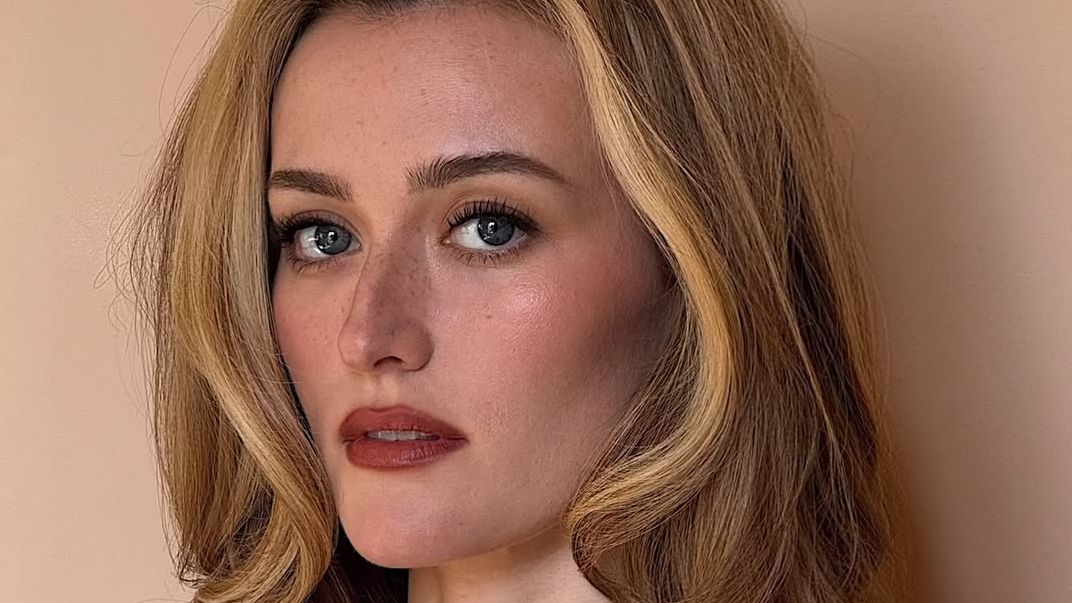
Fast forward to mid-July, nearly a month after the initial camera test, Pidgeon made waves again at the Los Angeles premiere of her film “I Know What You Did Last Summer.” This time, she unveiled a noticeable change in her hair color, opting for a more permanent blonde transformation. Her colorist, Kari Hill, confirmed to Vogue that this makeover was indeed real and not just a temporary wig. The process was a meticulous journey, taking approximately 18 hours across two days to maintain the health and vibrancy of Pidgeon’s hair.
Hill’s description of Pidgeon’s new look paints a picture of artistry and complexity. She explained that transitioning from dark brown to blonde involved multiple shades and tones, culminating in a soft, natural root that seamlessly flowed into various blonde hues accented by buttery golden highlights. This careful crafting of color was vital to evoke the essence of Carolyn Bessette-Kennedy, whose signature look included that specific buttery shade.
While the behind-the-scenes crafting of Pidgeon’s appearance reflects a strong dedication to detail, it also illustrates the pressures and expectations placed on actors portraying beloved public figures. The public’s scrutiny of stylistic choices not only serves as a testament to the cultural weight of icons like the Kennedys but also highlights the fine line between creative interpretation and historical accuracy in storytelling. Murphy’s project, rather than just being another series, has become a canvas for discussions around identity, representation, and the nuances of bringing historical figures to life in contemporary media.
In a world where image is paramount, the reactions to the series and Pidgeon’s transformation underscore an evolving landscape in film and television. Viewers are increasingly invested, not just in the narrative, but in the authenticity of portrayals, resulting in heightened expectations for performances. The journey of Pidgeon—and the team behind “American Love Story”—demonstrates the balancing act of honoring iconic figures while navigating the diverse opinions of an audience passionate about authenticity. As these discussions continue to unfold, it’s clear that the world of biographical storytelling will remain a dynamic and contentious space, deserving attentive consideration.