

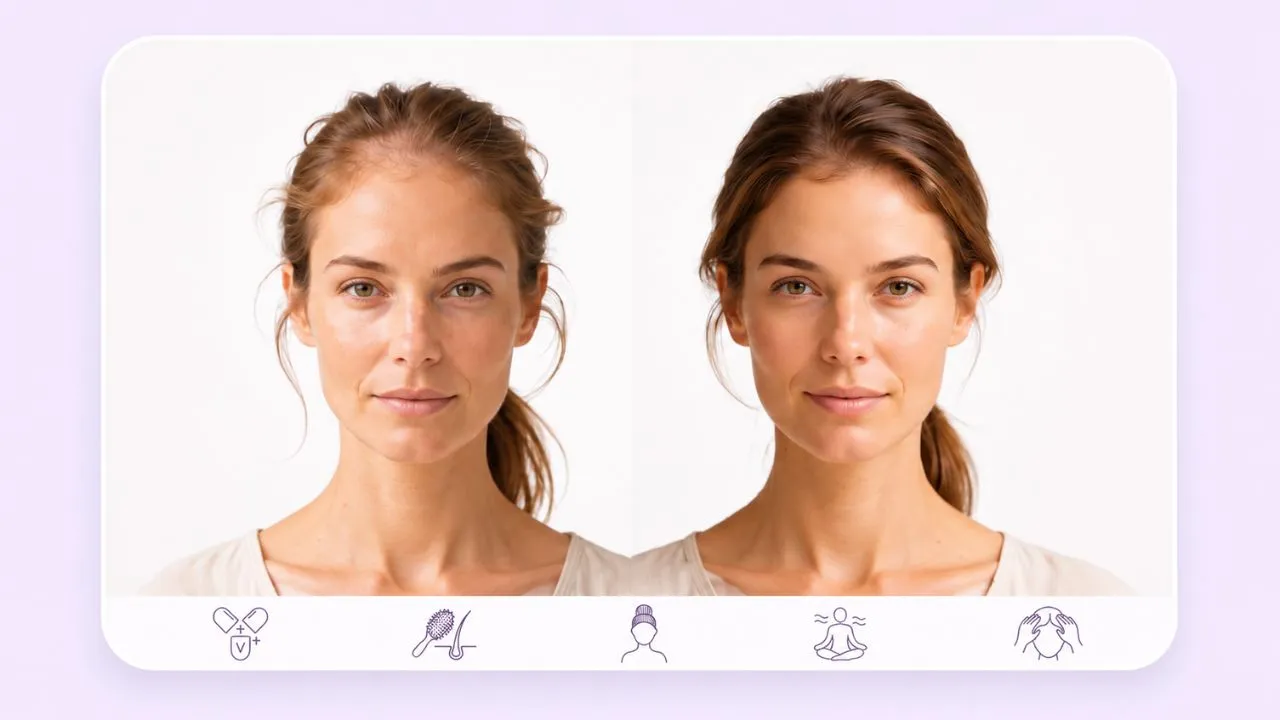
Pregnancy is a wonderfully transformative experience, but it can also bring unwelcome changes, especially when it comes to your hair. While some women enjoy thick, luscious locks during pregnancy due to hormonal changes, many face hair loss and thinning postpartum. It’s important to understand that these changes are a normal part of the biological journey and can be managed.
First, let’s delve into the causes of pregnancy-related hair loss. During pregnancy, increased hormone levels can delay the shedding phase of the hair growth cycle, leading to a fuller head of hair. However, after giving birth, it’s common for those retained hairs to shed at once, resulting in noticeable thinning. This phase can be distressing, but understanding that it’s temporary can ease worries. Typically, normal hair growth resumes within six to twelve months postpartum.
Managing hair loss involves more than just waiting for the problem to resolve. Nutrition plays a crucial role in hair health. Consuming a balanced diet rich in vitamins and minerals—particularly iron, biotin, and zinc—can significantly improve hair condition. Foods like leafy greens, nuts, and fish can provide your body with the nutrients it needs to support hair regrowth. Staying hydrated and managing stress also contribute to overall hair health, making these lifestyle changes beneficial.
Additionally, choosing the right hair care products can help mitigate postpartum thinning. Opt for gentle shampoos and conditioners free from harsh chemicals, which can exacerbate hair issues. Incorporating a nourishing hair mask into your routine can also provide extra care. Avoiding tight hairstyles that put stress on your hair shafts will further reduce the risk of breakage. Sometimes, a simple haircut to remove split ends can make your hair appear fuller and healthier.
Another key aspect to consider is how hormonal fluctuations impact your emotional well-being. The transition into motherhood brings a whirlwind of changes, which can affect your self-esteem and body image. Being open about your experiences with friends and family can help you feel less isolated. Joining support groups—online or in person—where you can share your feelings and fears regarding postpartum hair loss can be incredibly reassuring and empowering.
Finally, while it may be tempting to seek quick fixes, it’s important to be patient with your body as it adjusts after pregnancy. There are treatments available, ranging from topical solutions like minoxidil to supplements specifically formulated for postpartum hair loss. Consulting with a dermatologist or healthcare provider can guide you towards the most suitable options tailored to your needs. Remember, your journey is unique, and taking care of your hair is just one part of nurturing yourself during this incredible time in your life.
In conclusion, while pregnancy and postpartum can bring about hair loss and thinning, understanding the process, adjusting your diet, choosing the right hair care products, managing emotional health, and exercising patience can significantly aid in recovery. Embrace this phase of your life and remember that your hair will bounce back, just as you are as a new parent!
Beauty Tips
Here are three practical beauty tips for managing pregnancy hair loss and postpartum thinning:
-
Gentle Hair Care: Use a sulfate-free, volumizing shampoo and a nourishing conditioner to keep hair healthy without weighing it down. Avoid tight hairstyles that can cause further stress on your strands.
-
Nutrient-Rich Diet: Incorporate foods rich in vitamins and minerals, such as leafy greens, nuts, eggs, and salmon, to promote hair health. Consider supplements like biotin after consulting with your healthcare provider.
-
Scalp Massage: Regularly massage your scalp to stimulate blood flow and promote hair growth. Use essential oils like rosemary or peppermint for added benefits and a soothing experience.
✨ Editor’s Picks (Must-Have Products)
Product 1
Check Price on Amazon
Product 2
Shop Now
Product 3
View Details