




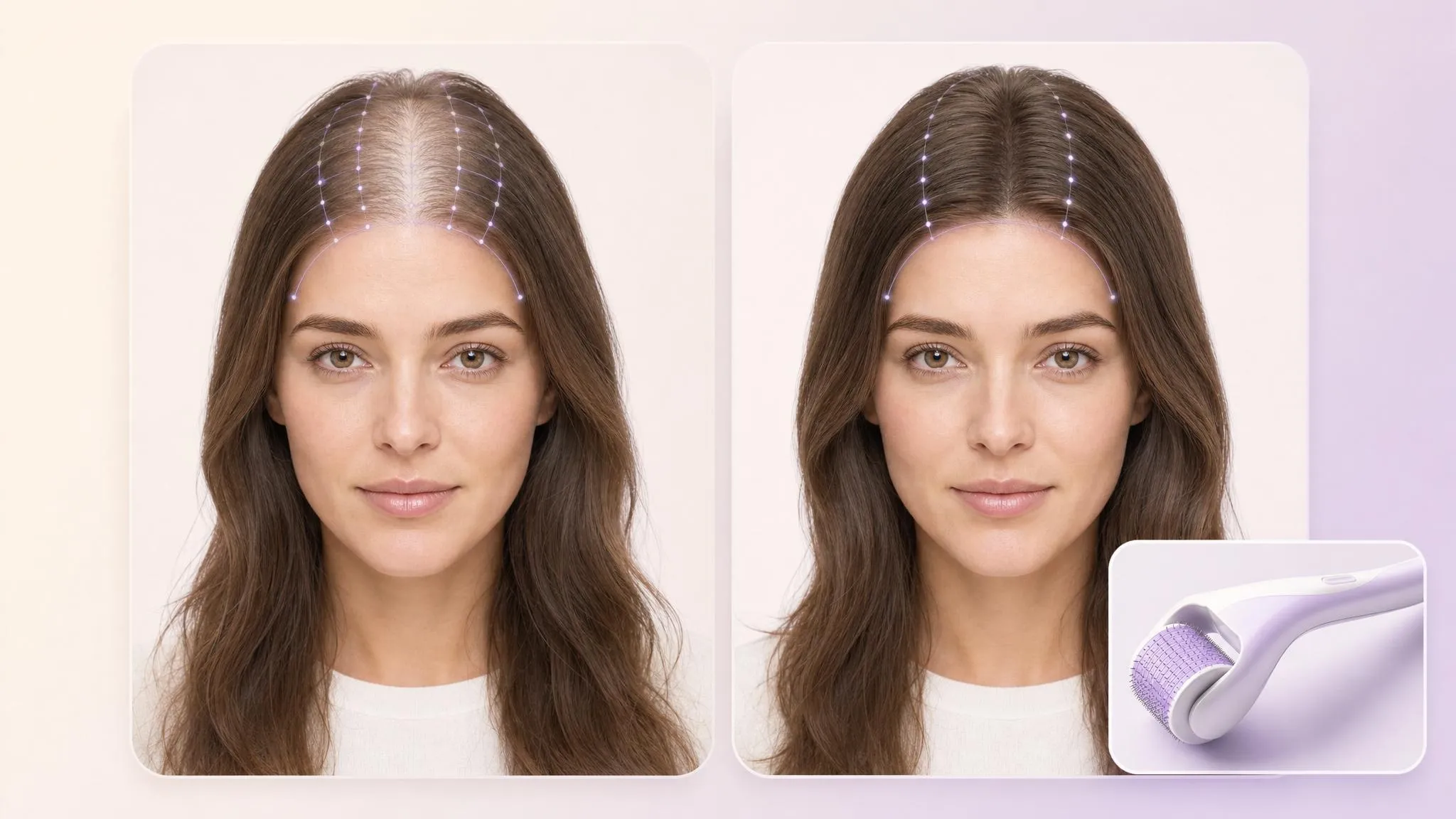
Microneedling for Hair Growth: Does It Really Work?
Microneedling has emerged as a popular treatment for various skin concerns, but its potential for promoting hair growth has attracted considerable attention in recent years. This minimally invasive procedure involves using tiny needles to create micro-injuries in the scalp, stimulating the body’s natural healing processes. Many individuals suffering from hair thinning or loss are keen to explore whether this technique can help restore their lush locks. Since hair loss is often tied to emotional distress and self-esteem, finding effective solutions is crucial in enhancing overall well-being.
The science behind microneedling is rooted in the body’s healing response. When the scalp is subjected to these micro-injuries, it triggers an influx of growth factors and accelerates the production of collagen and elastin. This rejuvenation process can strengthen hair follicles and improve their function, potentially leading to increased hair growth. Studies have shown that combining microneedling with topical treatments, like minoxidil, can enhance results, making it an appealing option for those looking for a non-surgical hair restoration method.
While the potential benefits are promising, it’s important to approach microneedling with realistic expectations. Not everyone will see the same level of improvement, and results can vary based on individual factors such as the type and extent of hair loss, genetics, and overall health. Some users report noticeable differences after several sessions, while others find the process more gradual. Consulting a qualified practitioner is vital—not only to assess if you’re a suitable candidate but also to understand the treatment plan that aligns with your specific needs.
Moreover, the procedure itself is relatively straightforward, often described as slightly uncomfortable rather than painful. Most sessions take around 30 to 60 minutes, with little to no downtime. Post-treatment, patients may experience some redness and sensitivity, which typically subsides within a few days. Following a proper aftercare routine is essential to optimize results and maintain scalp health. Patients are encouraged to avoid harsh products for a short time and to integrate gentle hair care into their routine for the best outcomes.
Despite its advantages, microneedling is not without risks. Potential side effects include scarring, infection, and allergic reactions—especially if proper sterilization protocols are not followed. It’s also important to ensure that the treatment is performed by a trained professional who adheres to safety guidelines to minimize such risks. Engaging in research and reading reviews can provide insights into the efficacy and safety of the procedure, making it easier to find a reputable expert.
In conclusion, while microneedling presents itself as a promising treatment for hair growth, it’s essential for individuals to stay informed and approach the procedure with careful consideration. It offers a unique avenue for those dealing with hair loss, emphasizing the importance of tailored treatment plans and professional guidance. As with any aesthetic treatment, balancing expectations and understanding the process can significantly impact overall satisfaction and results. Those seeking new options in combating hair loss may find hope and progress through microneedling, bringing them a step closer to achieving their desired hair restoration goals.
Beauty Tips
-
Consistency is Key: Schedule microneedling sessions every 4-6 weeks for optimal results, allowing time for your scalp to heal and hair follicles to rejuvenate.
-
Post-Treatment Care: After microneedling, apply a soothing serum (like a hyaluronic acid or peptide serum) to promote healing and nourish the scalp.
-
Combine Treatments: Enhance microneedling results by using topical hair growth products, like minoxidil, as the treatment can increase absorption and effectiveness.
✨ Editor’s Picks (Must-Have Products)
Product 1
Check Price on Amazon
Product 2
Shop Now
Product 3
View Details


