







The Connection Between Matcha and Hair Loss
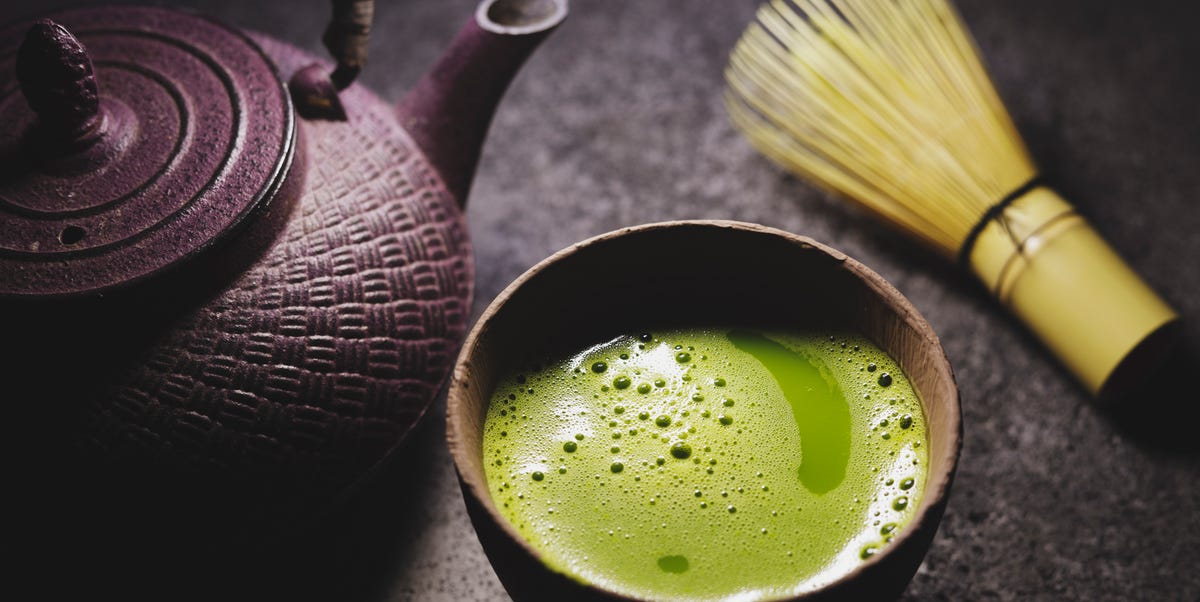
Matcha, a finely ground powder made from specially grown green tea leaves, has gained popularity for its purported health benefits, including numerous antioxidants, vitamins, and minerals. Many people enjoy consuming matcha as part of their daily routine, often in the form of tea, lattes, or smoothies. However, some have raised concerns about a potential connection between drinking matcha and hair loss. Let’s explore this topic to understand whether there’s any truth to these claims or if they stem from misunderstandings.
The Nutritional Benefits of Matcha
Matcha is renowned for its rich nutrient profile. It contains high levels of antioxidants, particularly catechins, which are known to combat oxidative stress and inflammation. Additionally, matcha is rich in vitamins A, C, E, and K, as well as minerals like potassium and calcium. These nutrients support overall health, including hair health. The amino acid L-theanine, found in matcha, may help reduce stress, a known factor in hair loss. Therefore, it raises the question: Could the benefits of matcha counteract any potential negative effects on hair?
Potential Concerns and Misunderstandings
While matcha has many positive aspects, some individuals may experience negative effects due to excessive consumption. For instance, matcha contains caffeine, which can lead to increased cortisol levels when consumed in high amounts. Elevated cortisol is linked to stress-related hair loss, particularly in those predisposed to conditions such as telogen effluvium. This doesn’t mean matcha is directly responsible for hair loss, but rather that overconsumption may exacerbate underlying issues, like genetic predispositions or stress.
Individual Reactions and Sensitivities
Hair loss can often be attributed to a variety of factors, including genetics, hormonal changes, nutritional deficiencies, and lifestyle choices. In some cases, individuals may have sensitivities to certain components in matcha. For example, some people might have an intolerance to caffeine or specific compounds in green tea, leading to adverse reactions that could include hair shedding. It’s crucial for anyone concerned about hair loss to consider their unique circumstances and dietary habits when evaluating their relationship with matcha.
Balancing Consumption for Hair Health
Moderation is key when it comes to enjoying matcha while minimizing potential risks. Consuming matcha in reasonable amounts—typically one to two servings per day—can allow individuals to enjoy its health benefits without overstressing their bodies. Pairing matcha with a balanced diet rich in vitamins and minerals that nourish hair, such as biotin, zinc, and iron, may further promote healthy hair growth. It’s also beneficial to stay mindful of hydration, stress management, and overall well-being.
Conclusion: A Personal Approach to Health
In conclusion, while there are concerns about drinking matcha and its links to hair loss, it is essential to approach this topic with a balanced perspective. Matcha offers numerous health benefits, and for most people, it can be enjoyed without significant risks. However, understanding personal health needs and listening to one’s body is crucial. Consulting with a healthcare professional can provide clarity and help individuals determine the best approach to include matcha in their diets, ensuring they can enjoy its benefits while supporting healthy hair and overall wellness.


