

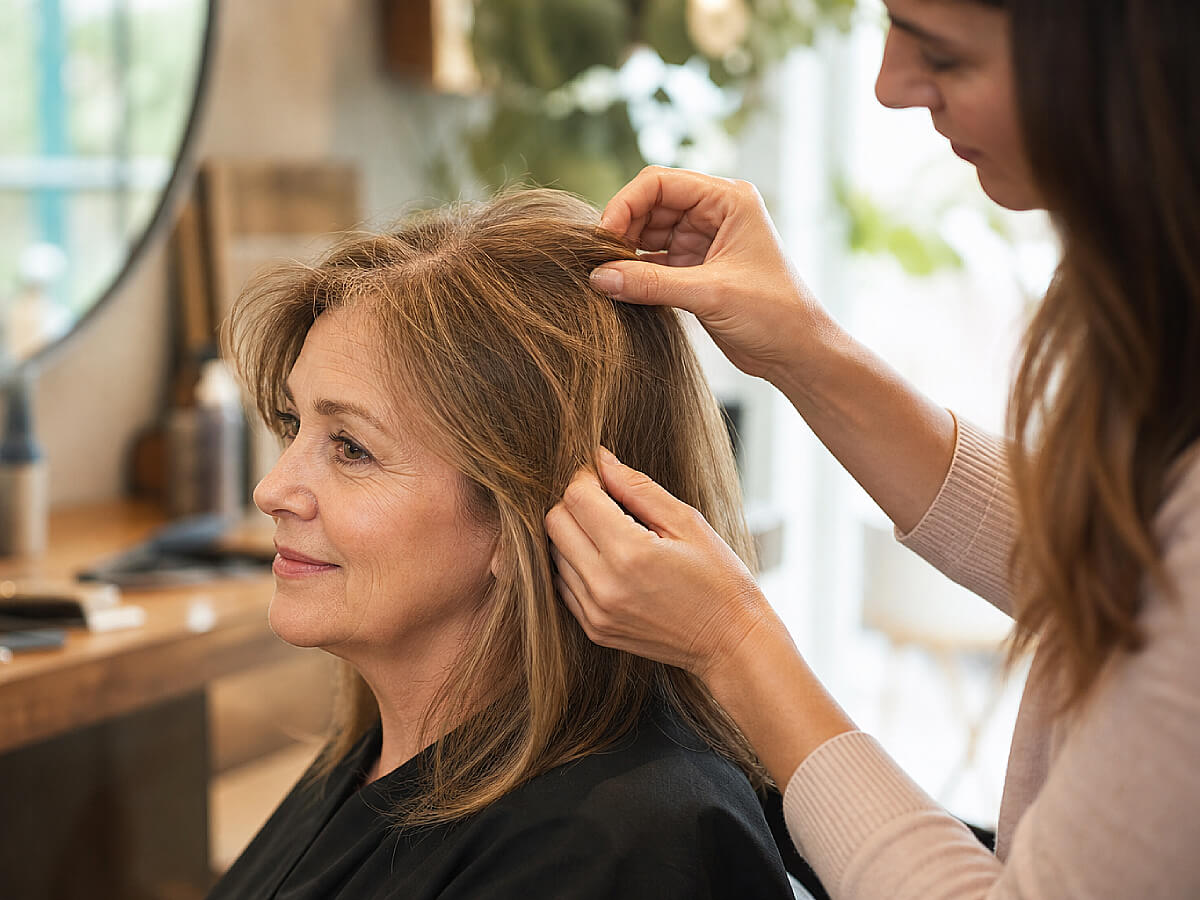
As women reach the age of 50, they often face a variety of changes, both physically and emotionally. One of the more noticeable shifts can be in hair thickness. While it’s common for hair to thin with age, a sudden change can be alarming and may signal underlying issues. It’s crucial to understand that various factors can contribute to this condition, and addressing them early on can help restore hair health.
Firstly, hormonal changes play a significant role in hair health for women approaching or experiencing menopause. As estrogen and progesterone levels fluctuate, women may find their hair becoming thinner or losing its luster. This change can be disheartening, but understanding the hormonal landscape can empower women to seek appropriate treatments or lifestyle changes, such as hormone replacement therapy or natural supplements that promote hair growth.
Next, nutrition is another critical area to consider. A balanced diet rich in vitamins and minerals is essential for maintaining healthy hair. Women should pay attention to their intake of iron, zinc, and vitamins A, C, D, and E. A poor diet can lead to deficiencies that may result in hair loss. Incorporating foods like leafy greens, nuts, and lean proteins can not only enhance overall health but also support hair vitality. Consulting with a nutritionist can also help tailor a diet that specifically addresses hair loss concerns.
Stress is another factor that often goes unnoticed but can significantly impact hair health. The pressures of balancing work, family, and other responsibilities can tax any woman, especially during midlife. Stress triggers hormonal changes that may lead to thinning hair. Finding effective ways to manage stress—through mindfulness practices, exercise, or hobbies—can help restore emotional balance and, consequently, improve hair density.
Another important element to assess is medical conditions. Certain health issues, such as thyroid disorders, autoimmune diseases, or alopecia, can lead to sudden hair thinning. Regular check-ups with a healthcare provider can ensure that any potential underlying health issues are addressed promptly. Blood tests or referrals to specialists can guide women in finding solutions tailored to their specific health needs, ensuring they tackle any contributing factors to hair loss effectively.
Lastly, the impact of hairstyling practices and products cannot be overlooked. Frequent use of heat styling tools, tight hairstyles, or harsh chemical treatments can damage hair, leading to breakage and thinning. Women should be mindful of their hair care routines and consider adopting gentler methods. Investing in high-quality, sulfate-free shampoos or seeking professional advice from hairstylists can help maintain hair integrity and promote growth.
In conclusion, while experiencing thinning hair after 50 can be worrying, understanding the potential causes can empower women to take proactive steps. By examining hormonal changes, nutrition, stress levels, medical conditions, and hair care habits, women can work towards restoring their hair and enhancing their overall well-being. It’s important to remember that support is available—whether through healthcare professionals, nutritionists, or even close friends—and addressing these concerns can lead to a positive transformation, both inside and out.
Beauty Tips
Sure! Here are three quick beauty tips for women experiencing thinning hair after 50:
-
Nutrient-Rich Diet: Ensure your diet includes protein, iron, and vitamins like biotin and D. Foods like eggs, leafy greens, and nuts can promote healthier hair growth.
-
Gentle Hair Care: Use sulfate-free shampoos and avoid excessive heat styling. Consider a wide-tooth comb to minimize breakage when detangling.
-
Scalp Health: Regularly massage your scalp with natural oils (like coconut or castor oil) to stimulate blood flow and improve follicle health.
✨ Editor’s Picks (Must-Have Products)
Product 1
Check Price on Amazon
Product 2
Shop Now
Product 3
View Details