








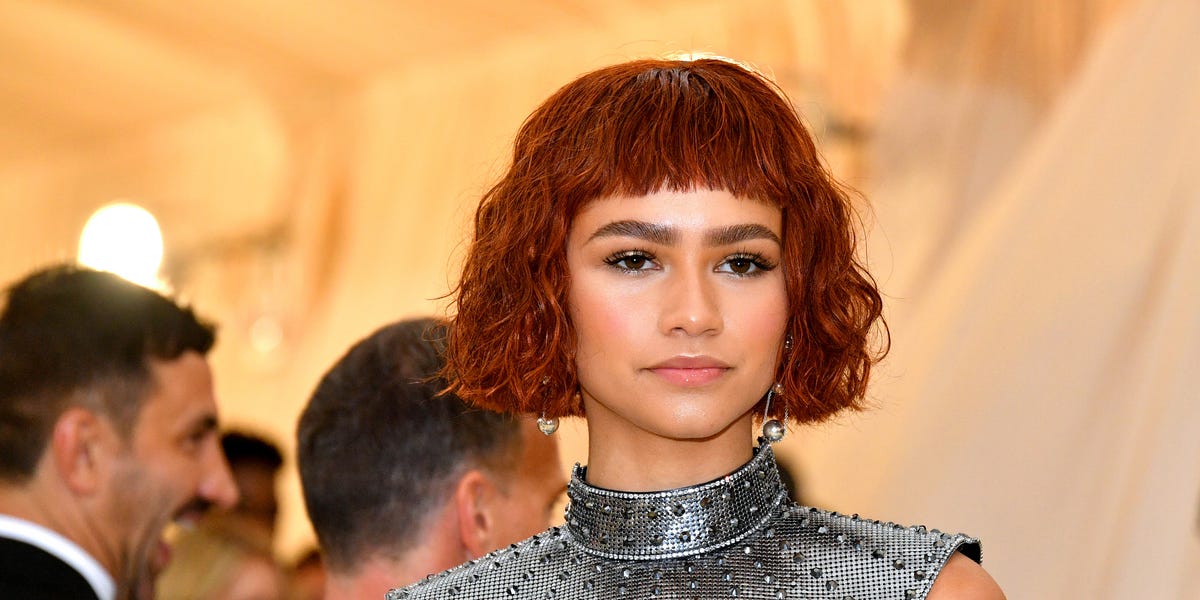
Sure! Here’s a humanized summary of "The Ultimate Guide to Baby Bangs," condensed into six paragraphs.
Exploring Baby Bangs: A Trend for Little Ones
Baby bangs, a charming haircut for toddlers and young children, have become increasingly popular among parents looking to give their little ones a delightful style. This trend features short bangs that sit just above the eyebrows, framing the face and adding a youthful, whimsical touch. Baby bangs can be particularly appealing for those with finer hair, as they can create the illusion of thickness. Despite their adorableness, parents often wonder if this style will remain fashionable as their child grows. The answer is yes—baby bangs are a timeless choice that can transition into various looks as kids mature.
The Benefits of Baby Bangs
One of the primary advantages of baby bangs is their low-maintenance nature. Unlike longer hairstyles that require regular styling and extensive upkeep, baby bangs are easy to manage and can blend seamlessly with the natural texture of a child’s hair. This simplicity is a plus for busy parents who want to maintain a chic appearance for their children without excessive fuss. Additionally, baby bangs can help keep hair out of a child’s eyes, allowing for better vision and more comfortable playtime. Parents can also embrace customization, experimenting with styles from straight cuts to more textured looks.
Choosing the Right Style
When opting for baby bangs, selecting the right style is crucial. Consider your child’s face shape and hair type to ensure a flattering appearance. For example, round faces may benefit from soft, wispy bangs, while square faces might suit blunt cuts more. Consulting with a stylist can provide valuable insights and recommendations tailored to your child’s unique features. Moreover, experimenting with various lengths and textures can lead to discovering what works best for your little one, allowing them to showcase their personality through their hairstyle.
Caring for Baby Bangs
Caring for baby bangs doesn’t require complicated routines, but a few tips can enhance the overall look. Regular trims every 6-8 weeks will keep the bangs looking fresh and prevent them from growing into the eyes. Using mild shampoos and conditioners specifically designed for children’s hair can keep it healthy and manageable. If your child has thicker or curlier hair, you may want to incorporate gentle styling products like leave-in conditioners or light mousses to help maintain shape without weighing the hair down. Establishing a simple hair care routine can make the process fun for both parent and child.
Navigating the Transition
It’s natural for parents to feel apprehensive about transitioning their child to a new hairstyle. Baby bangs might be an initial shock—especially if the child has been sporting longer locks. If your child seems hesitant, consider involving them in the decision-making process. Picking the right moment, such as during a fun outing, may help ease any anxiety. Take your time to focus on the positives, such as how wonderful they will look or how easy their new style will be to manage. Encouragement and praise before and after the haircut can help cultivate a positive experience and make future hairstyles less daunting.
Embracing Individuality
Ultimately, baby bangs are about celebrating individuality and personal style. They provide a unique opportunity for parents and children to express themselves, showcasing creativity and fun. With various styles to choose from, there’s something to suit every child’s personality, whether they’re playful or adventurous. Regardless of trends, the most important aspect is to ensure that your child feels confident and joyful in their hairstyle. By allowing children to participate in their styling choices, you nurture their self-esteem and individuality, making the experience all the more rewarding for both of you.
This summary highlights key points about the popularity, benefits, and care of baby bangs while emphasizing the importance of individuality and partnership in styling decisions.


