








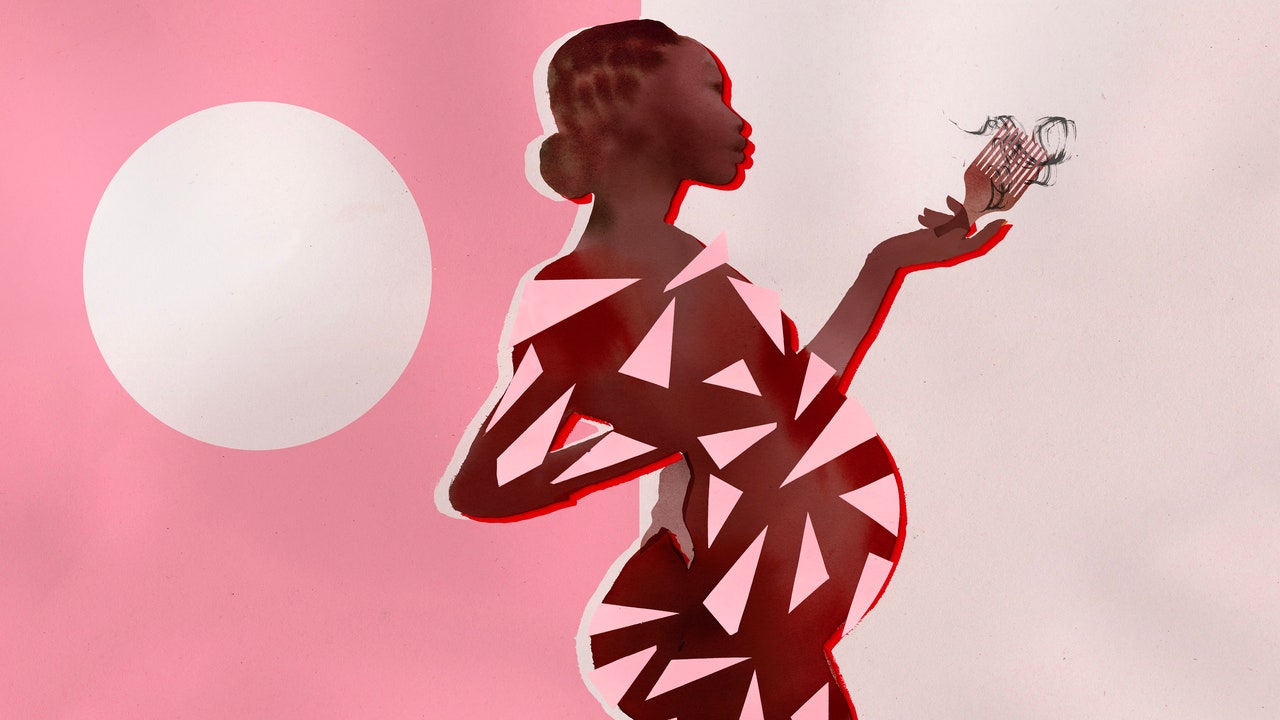
As dawn broke on a quiet Thursday morning, an all-too-familiar sensation—a gentle kick from my unborn child—nudged me from the warm embrace of sleep. It was 7 a.m., and this simple act ushered in my morning ritual: a solitary stroll to the bathroom. After five months of pregnancy, this routine had settled in as my moment of solace while the rest of the household lay peacefully asleep. I cherished these rare opportunities for a quiet shower and time to gather my thoughts before the day began. However, while I stood in front of the bathroom mirror, running a comb through my freshly washed hair, I noticed something unsettling: more strands than normal were slipping through my fingers.
At first, I brushed it off as overdue evidence for a haircut, so I promptly arranged an appointment with my stylist. But as the weeks slipped by, the worry morphed from a casual concern to a pressing reality: my hair was indeed falling out. The shedding was uneven, with my roots appearing thick—likely bolstered by the surge of pregnancy hormones—while the middles and ends of my hair seemed to vanish. This unforeseen development was hardly what I had anticipated on my pregnancy bingo card, especially after my first pregnancy had been a picture-perfect experience. Back then, my hair had flourished—thick, shiny, and largely resistant to shedding until well after my baby was born.
To understand my sudden hair woes, I turned to the expertise of Dina Strachan, MD, a board-certified dermatologist from New York City. According to Dr. Strachan, many women experience a boost in hair density during pregnancy thanks to hormonal surges that prolong the active growth phase of hair follicles. It was disheartening to realize that I was now going through the opposite experience, questioning why my once-vibrant hair was now breaking and shedding under such confusing circumstances.
Though pregnancy hair loss isn’t widely discussed, it turns out to be relatively common and usually manifests as telogen effluvium. Dr. Strachan explained this condition as a form of hair shedding linked to various forms of trauma—whether physical exhaustion, stress, or nutritional deficiencies. Pregnancy is undoubtedly a demanding journey, and as a mother with a toddler and a business to manage, the resulting stress weighed heavily on me. The American Pregnancy Association notes that 40 to 50 percent of women experience some form of hair loss during pregnancy, a reality that, until now, I hadn’t grasped.
I became acutely aware of how little conversation there is around issues like these, which can affect self-esteem and emotional well-being during such a transformative period. Adding to the physical challenges is the mental load of motherhood. While navigating the ups and downs of pregnancy, I began to wonder how many other women felt isolated in their struggles with hair loss, questioning their bodies’ responses during this time of profound change.
As I grappled with the reality of my hair falling out, I also became more attuned to the rollercoaster of emotions that accompany pregnancy. It’s a time filled with excitement, anticipation, and immense stress. Though my hair loss was troubling, I learned to accept it as a part of my unique journey. Connecting with other expectant mothers who shared similar experiences brought me a sense of solidarity. I realized that while my body was undergoing transformations I had never anticipated, these challenges could also forge deeper connections to the resilience that lies within motherhood.


