




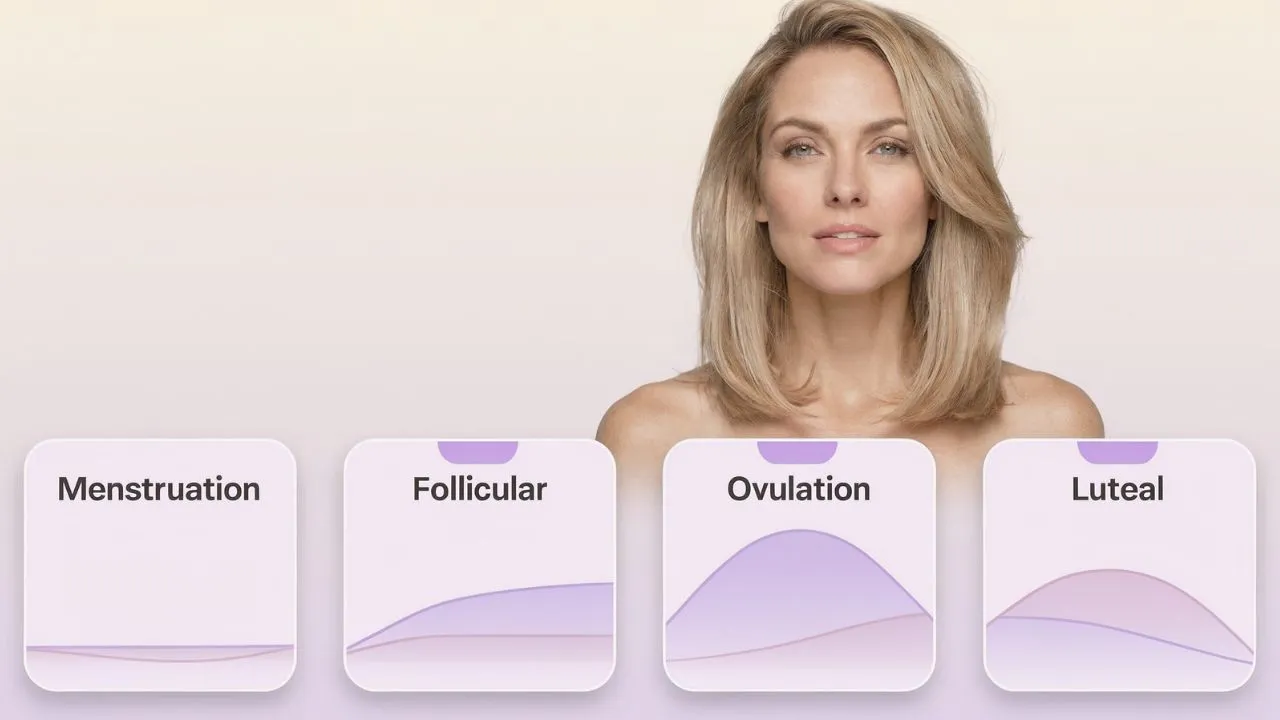
Understanding Hair Growth and Your Menstrual Cycle
Hair growth is intricately linked to hormonal fluctuations throughout the menstrual cycle. For many women, changes in their hair—whether it’s texture, thickness, or quantity—can reflect the ebb and flow of hormones like estrogen and progesterone. During the menstrual cycle, various phases—menstrual, follicular, ovulation, and luteal—can impact hair health. For instance, an increase in estrogen during the follicular phase often leads to hair simply looking shinier and fuller, while the drop in estrogen and rise in progesterone during the luteal phase can sometimes contribute to hair thinning or dryness. Exploring this connection can empower women to better understand their bodies and how hormonal changes affect their hair.
The Power of Technology: Tracking Hormones through Apps
In an age where technology plays a major role in our lives, numerous apps have emerged to help women track their menstrual cycles and associated hormonal changes. These applications can provide insight into how hormonal fluctuations influence hair health. By logging daily changes in mood, appetite, and hair quality, women can establish patterns and predict how their hair may react at different times in their cycle. This personalized data helps women navigate hair care routines, enabling them to adjust hair treatments and styling methods depending on their hormonal status.
Why Tracking Matters
Being proactive about hair health during the menstrual cycle can lead to better overall self-care. With consistent tracking, women can identify when their hair is at its best or when it needs extra TLC. For example, they might discover that their hair thrives in the first half of the cycle but becomes brittle during the luteal phase. This knowledge allows for tailored hair care regimens. Instead of relying solely on home remedies or salon products, women can make informed decisions about when to avoid heat styling, what nourishing treatments to apply, or when to schedule hair salon appointments for optimal results.
Community and Support
Leveraging technology for tracking not only enhances personal awareness but also fosters a sense of community among users. Many of these apps include social features, allowing women to share their experiences and seek advice. Engaging with stories from peers can be incredibly validating and helpful. Women are often seeking understanding and support regarding changes in their bodies, and finding like-minded individuals can provide comfort and motivation. This communal aspect emphasizes not just individual experiences with hair and hormones but highlights shared challenges and solutions, ultimately enhancing the user experience.
Creating a Holistic Routine
Combining insights from hormonal tracking with wellness practices can form a holistic approach to hair care. This means integrating not only hair products but also considering factors like diet, stress management, and sleep quality. Certain foods that promote hair health, such as those rich in vitamins E and D, can be particularly beneficial during specific phases of the menstrual cycle. Alongside a focus on nutrition, adopting stress-relief practices like yoga or meditation can help balance hormones, further contributing positively to hair health.
The Future of Hair Care
As awareness of the connection between hormonal health and hair continues to grow, the future of hair care will likely evolve. Continued advancements in technology may lead to apps that use AI to offer even more personalized recommendations based on individual tracking data. This shift towards a more tailored approach may empower women to take control of their hair health in ways that align with their hormonal cycles. Ultimately, through empowerment, education, and community support, women can navigate the ups and downs of their hair journey, embracing their unique rhythms and nurturing their hair with confidence.
Beauty Tips
Here are three practical beauty tips related to hair and your cycle, especially focused on tracking hormones:
-
Use Tracking Apps: Download apps like Clue or Flo to monitor your menstrual cycle and hormonal changes. This can help you anticipate hair texture changes and adjust your hair care routine accordingly.
-
Adapt Hair Care Routines: During ovulation, hair may be oilier due to increased hormones. Consider using lighter shampoos or more frequent cleansing during this phase to keep your hair fresh.
-
Nutritional Support: Focus on balanced nutrition, especially during your luteal phase, to combat hair thinning. Incorporate foods rich in vitamins A, C, and E, as well as omega-3 fatty acids to promote strong hair health.
✨ Editor’s Picks (Must-Have Products)
Product 1
Check Price on Amazon
Product 2
Shop Now
Product 3
View Details


