

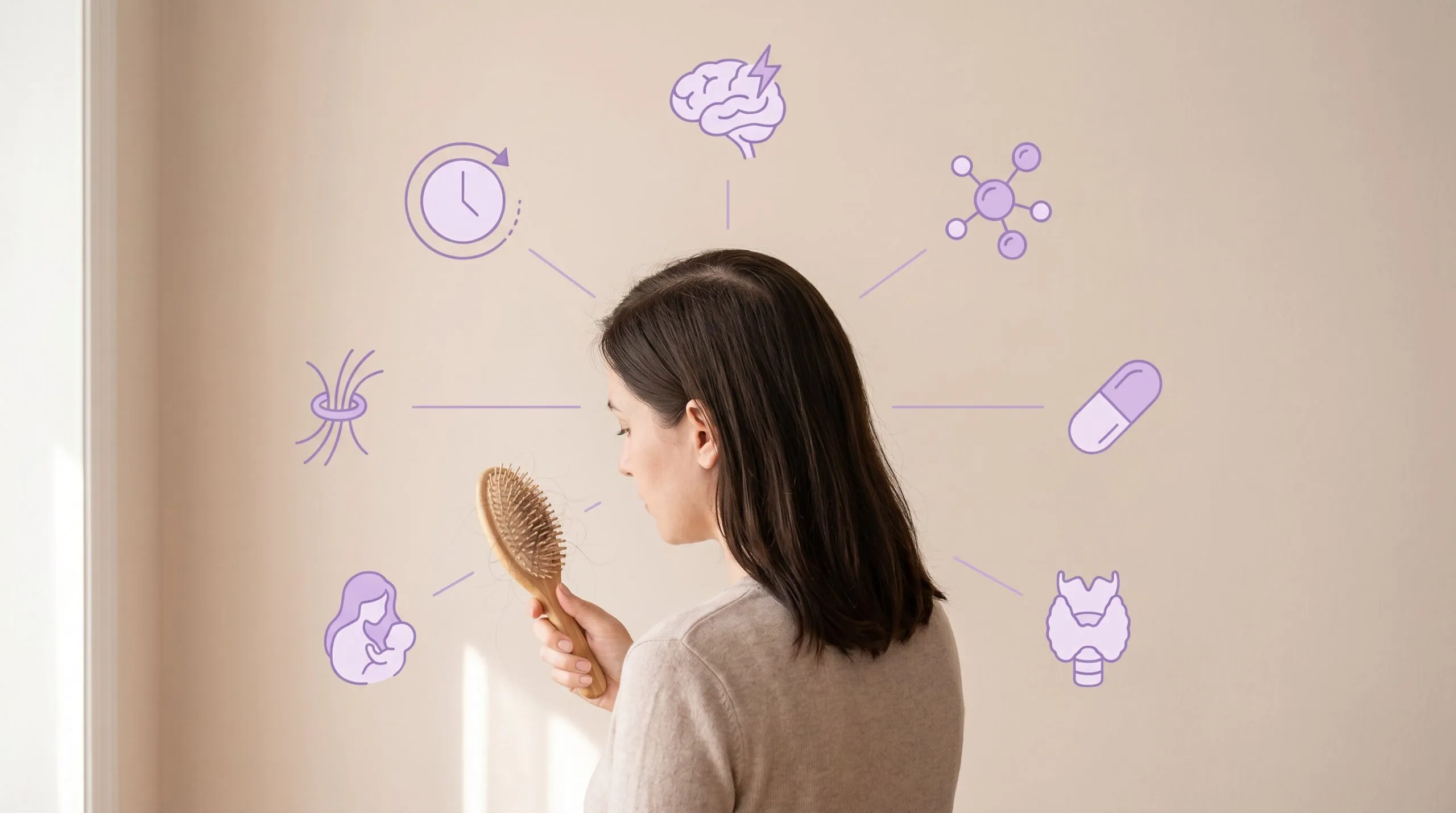
Understanding the Causes of Hair Loss in Women
Hair loss can be a distressing experience for women, often leading to emotional struggles and concerns about self-image. There are numerous factors that can contribute to hair thinning or bald patches, and understanding these causes is the first step in addressing the issue. Although the reasons for hair loss can vary widely among individuals, some common culprits tend to emerge.
Hormonal Changes and Imbalances
One significant cause of hair loss in women is hormonal changes. Events such as pregnancy, childbirth, menopause, and conditions like polycystic ovary syndrome (PCOS) can trigger fluctuations in hormone levels. For instance, during menopause, the decrease in estrogen can lead to thinning hair, while postpartum hair loss is often linked to the abrupt shift in hormones after giving birth. Women experiencing these changes might notice more hair shedding than usual, which can be alarming but is often temporary.
Nutritional Deficiencies
Another major factor contributing to hair loss is poor nutrition. A balanced diet is crucial for overall health, including the health of your hair. Deficiencies in essential nutrients, particularly iron, vitamin D, and certain B vitamins, can lead to hair thinning. Eating a well-rounded diet rich in protein, fruits, and vegetables can help combat hair loss. Women who adopt extreme diets or those who suffer from eating disorders may face greater risks of hair loss due to a lack of vital nutrients.
Stress and Lifestyle Factors
In today’s fast-paced world, stress is almost unavoidable, and it can have a significant impact on hair health. Stressful life events, whether it’s work-related pressure, personal issues, or family dynamics, can lead to a condition known as telogen effluvium, where hair falls out more easily. Additionally, unhealthy lifestyle choices, such as smoking, excessive alcohol consumption, and inadequate sleep, can also contribute to hair loss, highlighting the importance of managing stress and adopting a healthier lifestyle.
Medical Conditions and Medications
Certain medical conditions and medications can play a role in hair loss as well. Autoimmune disorders like alopecia areata cause the immune system to attack hair follicles, resulting in patches of hair loss. Thyroid issues, both hyperthyroidism and hypothyroidism, can lead to thinning hair as well. Furthermore, some medications, particularly those used for cancer treatment, depression, and high blood pressure, can have side effects that include hair loss. It’s essential for women facing hair loss to consult a healthcare professional to explore possible underlying medical issues or medication side effects.
Genetics and Aging
Genetics also play a significant role in hair loss. Female pattern baldness, known as androgenetic alopecia, can run in families and typically worsens with age. As women grow older, it’s common to experience a natural decline in hair thickness and growth. Understanding the hereditary aspects can help women anticipate potential hair loss and take proactive steps to manage it. While aging is an unavoidable factor, various treatments are available to help slow down the process or improve the appearance of thinning hair.
The Emotional Impact of Hair Loss
Lastly, it’s crucial to acknowledge the emotional toll that hair loss can have on women. The societal emphasis on beauty and appearances can exacerbate feelings of insecurity and anxiety associated with hair loss. Many women find solace in support groups or counseling to address these feelings, as sharing experiences can help alleviate distress. Additionally, various styling techniques, hairpieces, and medical treatments can provide physical relief and boost confidence. Ultimately, recognizing the multifaceted causes of hair loss is essential for women navigating this sensitive issue, enabling them to take informed steps toward maintaining their hair health and emotional well-being.
Beauty Tips
Here are three practical beauty tips to address hair loss in women:
-
Balanced Diet: Incorporate hair-friendly nutrients like biotin, iron, and omega-3 fatty acids into your meals. Foods like spinach, salmon, and nuts can promote healthier hair growth.
-
Gentle Hair Care: Use sulfate-free shampoos and conditioners, and limit heat styling. Opt for a wide-toothed comb to prevent breakage and reduce stress on your hair.
-
Scalp Massage: Regularly massage your scalp with essential oils like rosemary or lavender. This can improve circulation and stimulate hair follicles, potentially encouraging growth.
✨ Editor’s Picks (Must-Have Products)
Product 1
Check Price on Amazon
Product 2
Shop Now
Product 3
View Details