






Redefining Identity Through a Haircut
Getting a dramatic haircut often marks a turning point in life, signaling personal transformation or a response to significant changes. For me, this was particularly true after I welcomed my first child. The experience reshaped my outlook on many things, including beauty and self-expression. In search of a new identity that reflected my evolving self, I decided to cut my long, curly hair into a trendy pixie cut. This bold choice wasn’t just about changing my appearance; it was about embodying the internal shifts I was undergoing as a new parent.
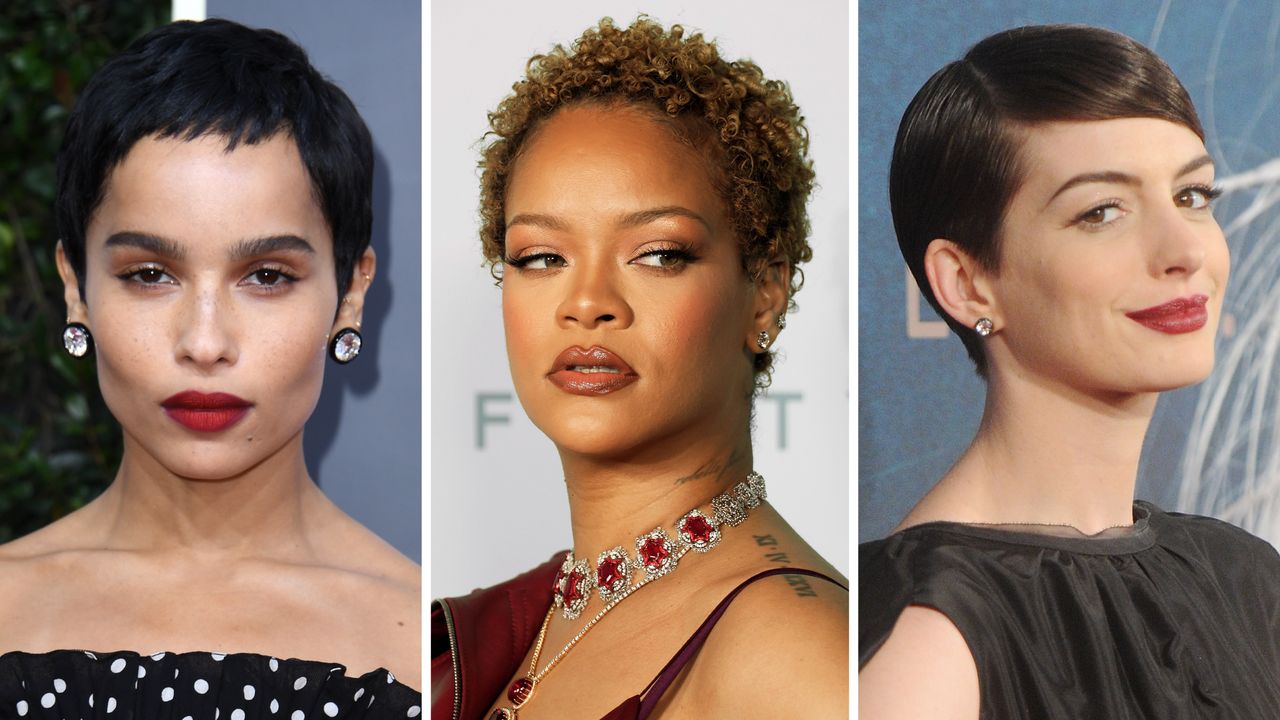
A pixie cut, as explained by New York City hairstylist Marcos Diaz, is characterized by its short length, typically close to the scalp around the sides and back, while maintaining a bit of extra length on top. This style usually doesn’t exceed two to three inches in length, differentiating it from other short hairstyles like bobs or bixies. The pixie cut stands out because of its playful yet sophisticated vibe, making it a favorite choice for those looking to embrace simplicity and elegance in their hair.
The pixie cut hasn’t always been a modern trend celebrated on social media platforms like Pinterest. Its roots can be traced back through an intriguing history where it has been sported by various iconic figures. Hairstylist Jewell Hingorani notes that actor Audrey Hepburn was a pioneer in popularizing this look in the 1950s. Hepburn’s portrayal of a free-spirited princess in "Roman Holiday" saw her cutting her hair into a chic, flipped-out pixie, leaving a lasting impression on beauty standards for women. This moment marked the beginning of the pixie trend, encouraging women to embrace shorter hairstyles as a symbol of liberation.
As decades rolled on, different styles emerged, each giving the pixie cut its unique flair. In the 1960s, model Twiggy introduced a mod twist to the hairstyle. Her bold, androgynous look challenged conventional beauty norms, encouraging others to adopt short hair as a means of self-expression. Fast forward to the 1990s, and actress Halle Berry brought a glamorous essence to the pixie, pairing it with her stunning personality and talent. Her influence contributed to the hairstyling landscape, demonstrating how a single cut could encapsulate a feeling of confidence and charisma.
Throughout the early 2000s, the pixie cut continued to evolve, with fashion icons starting to experiment with edgier iterations. The transformative moment when Victoria Beckham chopped her long locks into a striking pixie cut in 2008 remains unforgettable for hairstylist Hingorani. Observing this process live in the salon was nothing short of electrifying. It’s fascinating how such drastic hairstyling changes can stir up cultural conversations, impacting the way we perceive femininity and style.
In essence, the pixie cut is more than just a hairstyle; it symbolizes a deeper journey of self-discovery and empowerment. For many, including myself, this cut signifies letting go of past notions of beauty and embracing a more authentic self. Each person who opts for a pixie cut brings their own story of transformation, making it a powerful tool in redefining identity. Every snip of the scissors represents not just a change in appearance, but a celebration of newfound strength and individuality, reminding us how the act of changing our hair can be deeply intertwined with our emotional landscape.


