

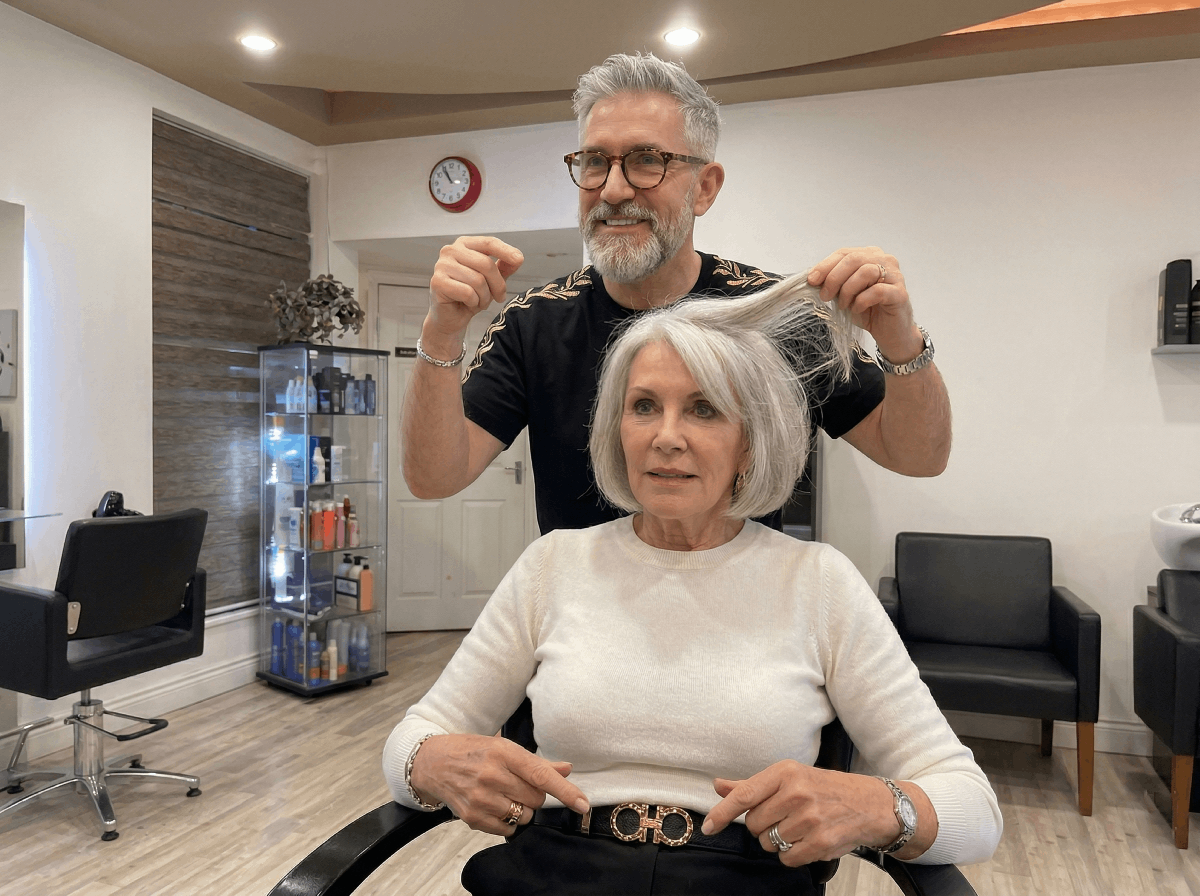
Understanding Changes in Your Hair Post-Menopause
As women journey through menopause, a range of physical changes occurs, including alterations in hair texture and volume. Oftentimes, hairdressers become keenly aware of these transformations but may refrain from commenting directly. This can be due to sensitivity around the subject, as hair can be deeply tied to a person’s self-esteem and identity. It’s essential to acknowledge these changes and embrace them with understanding, rather than embarrassment.
One significant change that many women notice is a decrease in hair volume. Hormonal shifts during menopause can lead to thinning hair, which may leave strands feeling more fragile than before. Your hairdresser might see this change during your visits, as they work to style your hair and may suggest products or techniques to add fullness. By simply being mindful of this change, women can take proactive steps towards reinforcing their hair health, exploring volumizing products, and opting for styles that enhance what they have.
Another common observation involves changes in hair texture. Many women experience either an increase in coarseness or a new wave pattern in their hair. This is largely due to the hormonal fluctuations that affect not only hair growth but also its quality. Your stylist may notice that your hair requires different styling techniques or cuts to manage these shifts. Being open to experimenting with new styles can embrace these changes while allowing you to stay true to your aesthetic.
Additionally, color may become an issue once menopause hits. Many women find that their hair turns gray faster than expected. While this change might be embraced by some, others might feel distress over the loss of their natural shade. Despite hairdressers often having a professional and supportive approach to color, they might choose not to mention this shift directly. However, it’s a great opportunity for self-expression and trying out new hues — perhaps engaging in fun discussions with your stylist about exploring different color palettes that suit your evolving look.
Moreover, changes in scalp health can also come into play post-menopause. Some women experience dryness or increased oiliness, and a hairdresser might notice this without saying anything. If you are aware of changes in your scalp condition, discuss them openly with your stylist. They can recommend appropriate shampoos, treatments, and techniques to help manage any new concerns. Remember, they’re there to support your hair journey and ensuring it looks at its best is a part of their role.
Ultimately, acknowledging these changes as part of the natural progression of life can empower women undergoing menopause. Opening up the dialogue with your hairstylist about these observations can lead to valuable advice and suggestions that cater uniquely to your hair care needs. It’s all about adapting and making the most out of this chapter in life while continuing to feel beautiful and confident in your own skin. Each phase of life brings its own beauty, and with a little guidance, you can navigate your hair journey with grace and style.
Beauty Tips
Sure! Here are three beauty tips related to post-menopause hair care:
-
Moisturize Regularly: Use hydrating hair masks or oils to combat dryness and restore moisture to your hair, which can become brittle after menopause.
-
Opt for a Gentle Shampoo: Choose sulfate-free shampoos to minimize stripping natural oils, promoting better scalp health and less hair breakage.
-
Incorporate Nutrients: Add supplements like biotin or omega-3 fatty acids to your routine to support hair growth and improve overall hair strength.
✨ Editor’s Picks (Must-Have Products)
Product 1
Check Price on Amazon
Product 2
Shop Now
Product 3
View Details