

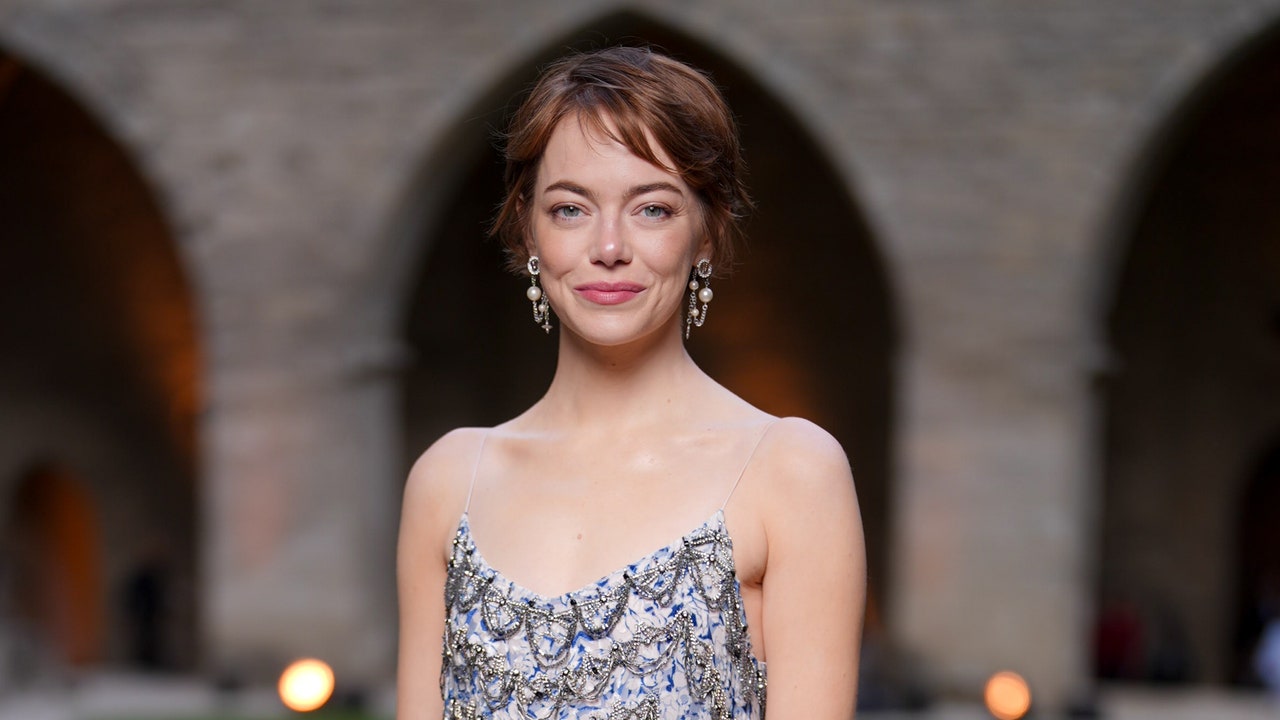
The pixie cut is a versatile hairstyle that has evolved through the decades, adapting to suit individual moods and preferences. Originally popularized in the 1950s by icons like Audrey Hepburn and Jean Seberg, it emerged as a visual statement against the long, glamorous hair of Hollywood bombshells. This iconic cut signified a shift toward a more sophisticated, androgynous aesthetic, representing nonconformity and independence. From its inception, the pixie cut has been a canvas for expression, embraced by stars across generations, such as Linda Evangelista in the late ’80s, thanks to the innovative work of hairstylist Julien d’Ys, and more recently, by contemporary figures like Teyana Taylor and Emma Stone.
Today, the pixie cut transcends traditional boundaries, showcasing a blend of styles that cater to both chic and grungy vibes. As hairstylist George Northwood describes, the pixie has shifted from an iconic cut to embody a “cool girl” persona. Modern interpretations often draw inspiration from memorable looks in pop culture, like those of Winona Ryder and Princess Diana in the ’90s, who sported textured versions with longer fringes. These references serve as a foundation, proving the cut’s adaptability while allowing personal flair to shine through.
Yet, what exactly distinguishes a pixie cut from simply having short hair? According to creative stylist Kumi Bella, the pixie cut is characterized by its very feathery texture and close-to-the-head silhouette, typically around 5 centimeters all over. While many short hairstyles exist, a true pixie cut exudes a unique charm that differentiates it from other styles. Celebrity inspirations like Mia Farrow and Kristen Stewart showcase the range—whether it’s a micro fringe or a punk-inspired look—highlighting the cut’s ability to express various personas.
Before taking the plunge into a pixie, several considerations are essential. Hairstylist Andrew Fitzsimons emphasizes the importance of assessing your face shape and hair type, as these factors will influence how the cut frames your features. Additionally, understanding the shift in your styling routine is crucial to adapting to this bold new look. If uncertainty lingers, it’s advisable to consult with a hairstylist who can guide you. Stylist Rio Sreedharan recommends starting with a longer version of the pixie before committing to a shorter style, allowing for a softer, more feminine appearance that gradually transitions into a bolder cut.
The aesthetics of the pixie cut emphasize a carefree and confident attitude, which resonates with many looking for an effortless yet stylish appearance. The modern pixie actively pushes boundaries, appealing to those who wish to combine elements of rebellion with elegance. Inspirational figures like Gabrielle Union inject their individuality into the cut, ensuring that the pixie remains forever relevant and desirable, no matter the changing trends.
Ultimately, whether one leans toward a sophisticated, polished look or a more relaxed, edgy style, the pixie cut remains a symbol of empowerment and self-expression. As its allure continues to captivate a diverse audience, this timeless haircut celebrates the beauty of personal expression, making it the perfect choice for anyone ready to embrace a new chapter with confidence and flair.