

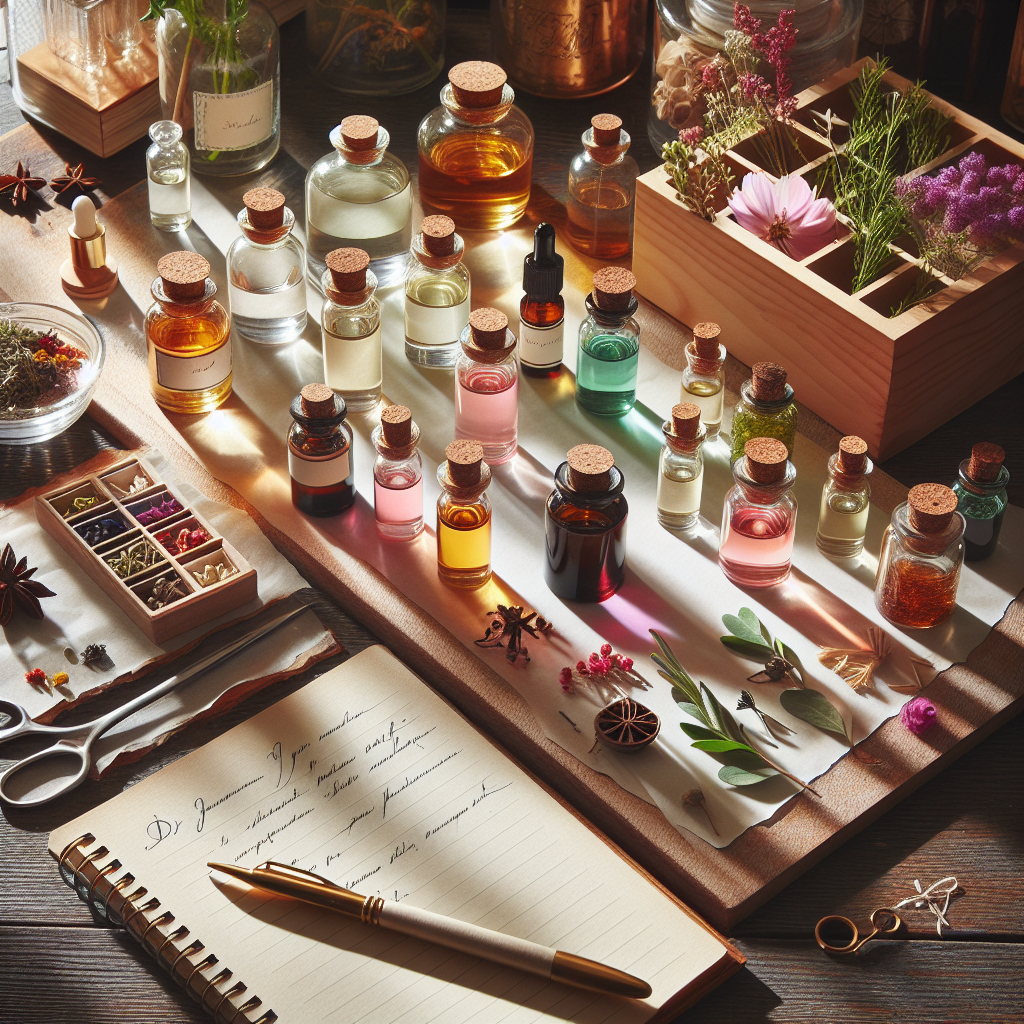
In an era where individuality is celebrated, creating your own signature scent can be an exciting and rewarding endeavor. Crafting your own perfume allows you to express your unique personality, evoke special memories, and embrace your creativity. Whether you’re a beginner or a seasoned fragrance enthusiast, this guide will walk you through the basic principles of DIY perfume making and provide expert tips to help you create a scent that is uniquely yours.
Understanding Fragrance Families
Before diving into the world of perfume making, it’s essential to familiarize yourself with different fragrance families. Each family consists of various notes that can evoke specific emotions and memories. The main fragrance families include:
- Floral: Sweet, romantic scents derived from flowers.
- Fruity: Uplifting and fresh scents inspired by fruits.
- Woody: Earthy fragrances that often contain scents like cedar, sandalwood, and vetiver.
- Oriental: Exotic and spicy scents that include notes like vanilla and amber.
- Citrus: Zesty and invigorating fragrances, often derived from lemon, orange, and bergamot.
Materials Needed for DIY Perfume
Gathering the right materials is crucial for crafting your own perfume. Here’s what you will need:
- Essential oils: These are the heart of your fragrance. Choose a selection of top, middle, and base notes.
- Carrier oils or alcohol: Use Jojoba oil or perfumer’s alcohol to dilute your essential oils.
- Glass bottles: Choose small, dark glass bottles to store your perfume and protect it from light.
- Pipettes: For measuring and transferring scents accurately.
- Droppers: Great for adding precise drops of essential oils.
Choosing Your Fragrance Notes
Creating a balanced fragrance involves selecting notes from the three main categories:
Top Notes
These are the scents you perceive first when you apply your perfume. They are often light and evaporate quickly. Common top notes include citrus, mint, and lavender.
Middle Notes
Also known as heart notes, these emerge once the top notes fade. They typically form the core of the fragrance. Floral and fruity scents work well as middle notes.
Base Notes
These notes provide depth and longevity to your perfume. They are usually rich and deep, such as sandalwood, vanilla, and patchouli.
The Art of Blending
Start by blending your essential oils in a glass container, beginning with the base notes, then adding the middle, and finally the top notes. A good starting ratio is:
- 30% top notes
- 50% middle notes
- 20% base notes
Blend small amounts to find the right balance and remember to keep track of your measurements for future reference.
Testing Your Perfume
Once you’ve created your blend, let it sit for at least 48 hours to allow the scents to meld. After this period, test the perfume on your skin; scents can change based on your body chemistry. Observe how the fragrance evolves over time and make adjustments as necessary.
Storing Your Signature Scent
Store your homemade perfume in a cool, dark place to preserve its integrity. Properly stored, your signature scent can last for several months to a year.
Embrace Creativity and Personalization
Your signature scent should reflect who you are. Don’t hesitate to experiment and modify your blends until you find a fragrance that truly resonates with you. Creating your own perfume is a journey of exploration, so enjoy the process!
Conclusion
Crafting your own perfume can be an enriching experience filled with creativity and self-expression. Use these expert tips to embark on your journey of fragrance creation, and soon, you’ll have a signature scent that is uniquely yours.